
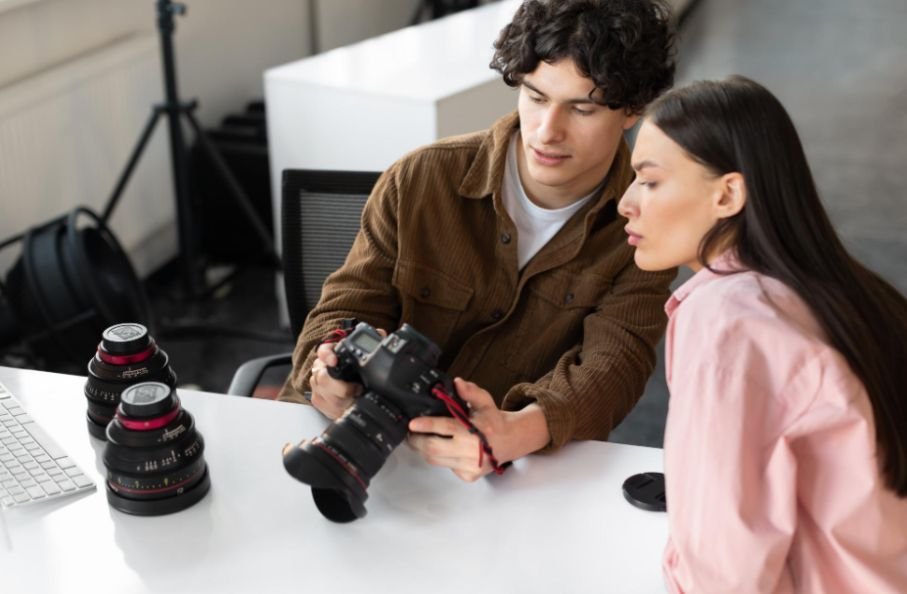
When I first looked at photography pricing, I realized the hardest part was not taking photos. It was deciding what my time, skill, editing, gear, and creative eye were actually worth. Many new photographers either charge too little because they feel nervous or copy random prices without knowing their real costs.
How to Price Your Photography Services as a Beginner starts with one simple idea: your price should not be a guess. It should cover your time, expenses, editing work, client communication, travel, taxes, and profit. A low price may help you get a few bookings, but a smart price helps you build a real photography business.
Why Beginner Photographers Struggle With Pricing
Most beginner photographers undercharge because they think experience is the only thing clients pay for. Experience matters, but clients are also paying for your preparation, camera knowledge, editing style, attention to detail, and final image delivery.
Another common reason is fear. New photographers worry that higher prices will scare people away. In reality, unclear pricing often creates more doubt than fair pricing. When your packages clearly show what clients receive, they can understand your value faster.
Pricing also feels confusing because every photography niche is different. A 30-minute portrait session is not the same as a wedding, product shoot, family session, or event booking. Each one requires different planning, shooting time, editing time, and responsibility.
How Much Should a Beginner Photographer Charge?
A beginner photographer can often start with simple, realistic rates based on skill, location, niche, and demand. For a short portrait or lifestyle session, many beginners may charge a modest flat package instead of only an hourly rate. This makes the offer easier for clients to understand.
For example, a starter portrait session can include 30 minutes of shooting, one location, and 8 to 12 edited images.
A standard session may include 60 minutes, one outfit change, and 20 to 30 edited images. Small event coverage can be priced by the hour, while product or personal branding photography may be priced by image or package.
The main goal is not to be the cheapest. The goal is to create a rate that feels beginner-friendly while still protecting your time and effort.
Calculate Your Real Cost Before Setting Prices

Before choosing a number, calculate what each session actually costs you. Many beginners only count the time spent holding the camera. That is a major mistake.
Your real work includes planning the session, answering messages, preparing gear, traveling, shooting, backing up files, selecting images, editing, exporting, uploading, and delivering the gallery. A one-hour photoshoot can easily become four to six hours of total work.
You should also consider expenses such as camera gear, memory cards, lenses, editing software, cloud storage, website fees, props, fuel, insurance, taxes, and marketing. Even if some of these costs are small, they add up over time.
A simple formula is: total time plus expenses plus profit. If your price does not leave room for profit, you are not building a business. You are only covering part of your effort.
Hourly Pricing vs Package Pricing
Hourly pricing is simple, but it can sometimes make clients focus only on time instead of value. Package pricing is usually better for beginners because it explains exactly what the client receives.
For example, instead of saying “one hour of photography,” you can offer a portrait package with session time, edited images, online gallery, delivery timeline, and optional add-ons. This feels more professional and easier to compare.
Hourly pricing can still work well for events, birthday parties, small business launches, and behind-the-scenes coverage. Package pricing works better for portraits, family shoots, graduation photos, product images, and personal branding sessions.
Create Simple Beginner Photography Packages
Begin with three clear packages. A basic package can be affordable and short. A standard package can offer the best value. A premium package can include more time, more edited images, faster delivery, or extra locations.
For portraits, your basic package might include a short session and a small number of edited images. Your standard package can include more time and more final photos. Your premium package can include outfit changes, extra locations, or priority delivery.
For events, offer a minimum booking time so your travel and preparation are worth it. For product photography, charge based on the number of products, styling needs, image count, and editing difficulty.
If your photography services include food creators or recipe brands, cooking videos with a phone can also help you package video add-ons alongside basic photo sessions.
Keep the package names simple. Avoid too many options because confused clients delay decisions.
Research Local Photography Rates Smartly

Do not copy another photographer’s prices blindly. Instead, study what similar photographers offer. Look at their package structure, session length, number of edited photos, delivery time, niche, experience level, and image quality.
Compare at least 10 photographers in your area or niche. Notice the difference between hobby pricing, beginner pricing, and professional pricing. Then place yourself honestly based on your skill, portfolio, client experience, and confidence.
If your portfolio is small, you can start with introductory pricing. Make it clear that the rate is temporary while you build experience. This helps you avoid getting stuck at low prices forever.
Beginner Pricing Mistakes to Avoid
Do not charge only for shooting time. Editing, travel, communication, and file delivery also matter. Do not offer unlimited edits because that can drain your time quickly. Do not promise every photo from the session because clients usually expect polished final images, not duplicates or test shots.
Avoid giving away RAW files unless you have a clear reason and extra fee.
Before sending final galleries or portfolio samples, how to optimize images for SEO rankings can help you prepare image files with better names, sizes, alt text, and web-friendly quality.
Avoid vague packages that do not explain what is included. Avoid working without basic terms, especially for paid sessions.
Another mistake is keeping the same price for too long. As your portfolio improves, your editing becomes stronger, and your demand grows, your pricing should increase too.
When Should You Raise Your Photography Prices?
Raise your prices when you are booking consistently, receiving strong feedback, improving your portfolio, or spending too much time for too little profit. You can also raise prices when your expenses increase or your client experience becomes more professional.
Small increases are easier than sudden jumps. You can update prices every few months as your confidence and demand grow. The best sign is when clients are booking without questioning your value too much.
Frequently Asked Questions
1. What is the best way to learn How to Price Your Photography Services as a Beginner?
Start by calculating your time, expenses, editing work, and profit goal. Then create simple packages that clearly show what the client receives.
2. Should beginners charge hourly or by package?
Packages are usually better for portraits, family sessions, product shoots, and branding photos. Hourly pricing works better for events and longer coverage.
3. How many edited photos should a beginner include?
For a short session, 8 to 15 edited images can work well. For a longer session, 20 to 40 edited images may be more suitable.
4. Should I offer free photoshoots to build my portfolio?
A few free or discounted portfolio sessions can help, but do not do it forever. Set a limit and move into paid pricing quickly.
Final Thoughts
I believe beginner photography pricing becomes easier when you stop guessing and start treating your work like a real service. Your price should respect your time, creativity, editing, expenses, and client experience.
Start with simple packages, research your market, calculate your real costs, and improve your pricing as your skills grow. You do not need to charge premium rates on day one, but you should never price yourself so low that your work feels stressful instead of rewarding.