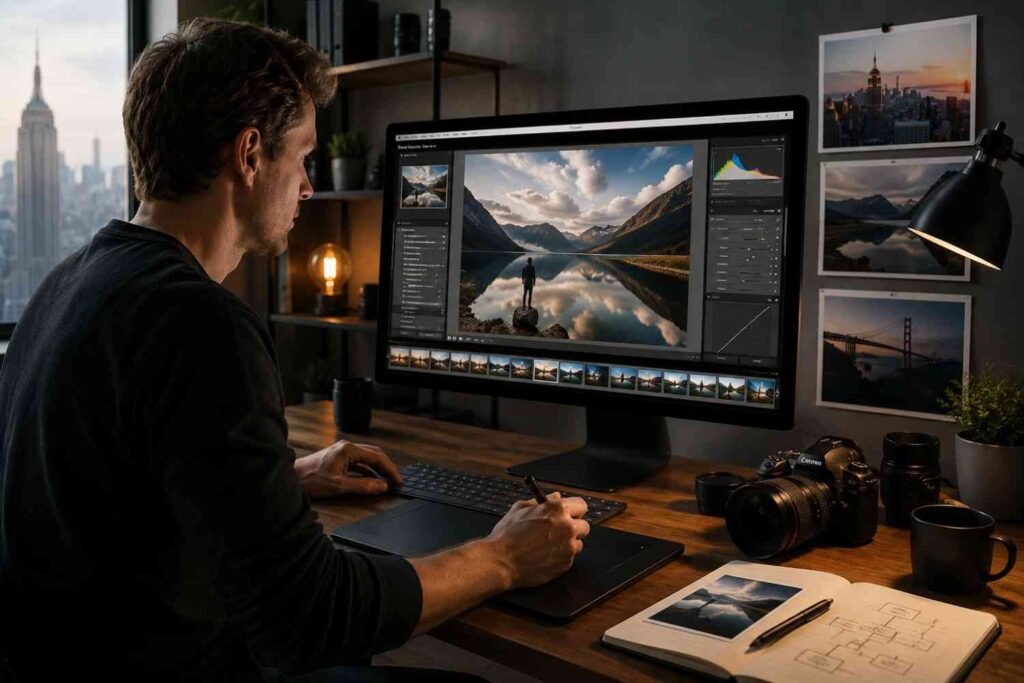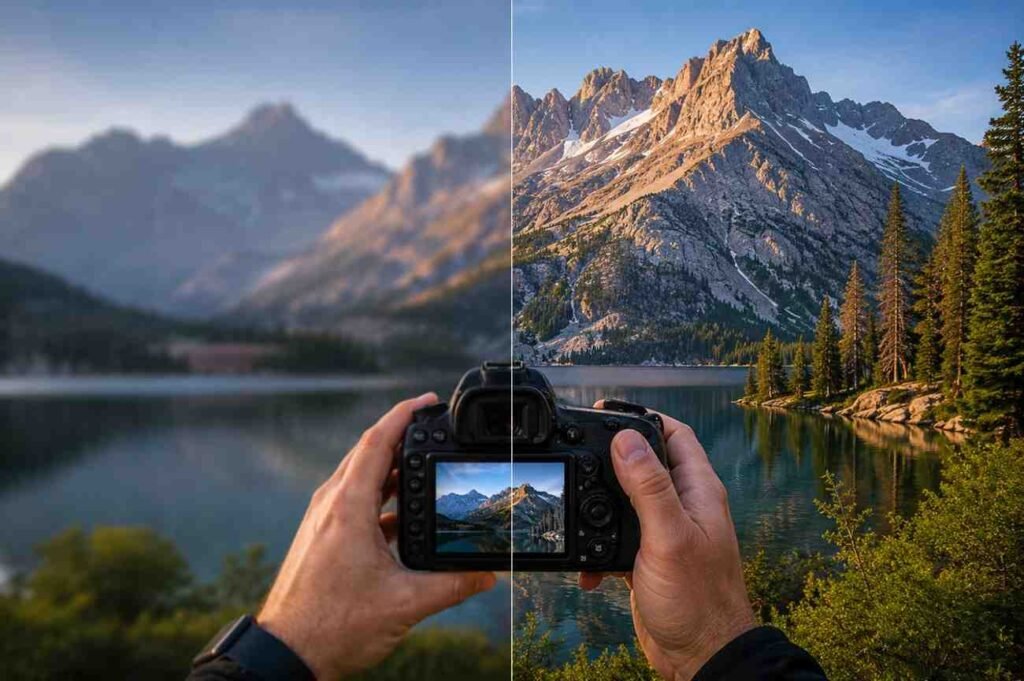
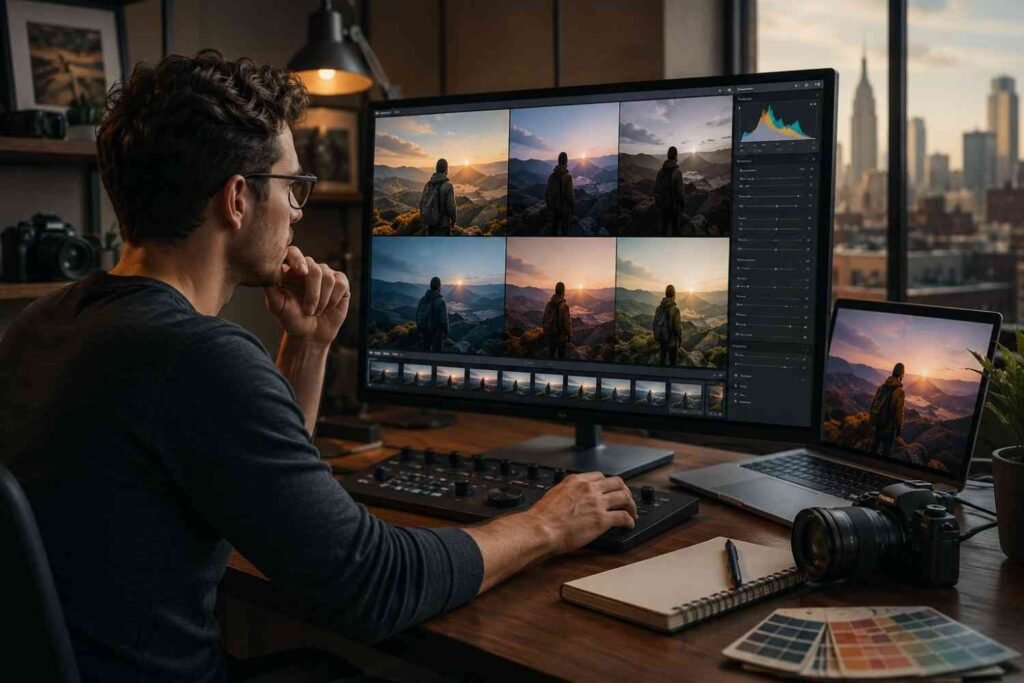
Most photographers spend a surprising amount of time adjusting sliders, testing presets, and experimenting with color grading before they find an editing style that truly feels like their own. It’s easy to get pulled toward whatever aesthetic is trending at the moment, but trends rarely create lasting visual identities.
The images people remember often share something deeper than technical quality. They feel intentional. The editing supports the story, enhances the mood, and creates a consistent experience across an entire portfolio. Choosing the right editing style isn’t about following rules. It’s about finding an approach that reflects how you see the world through your lens.
What Does an Editing Style Really Mean?
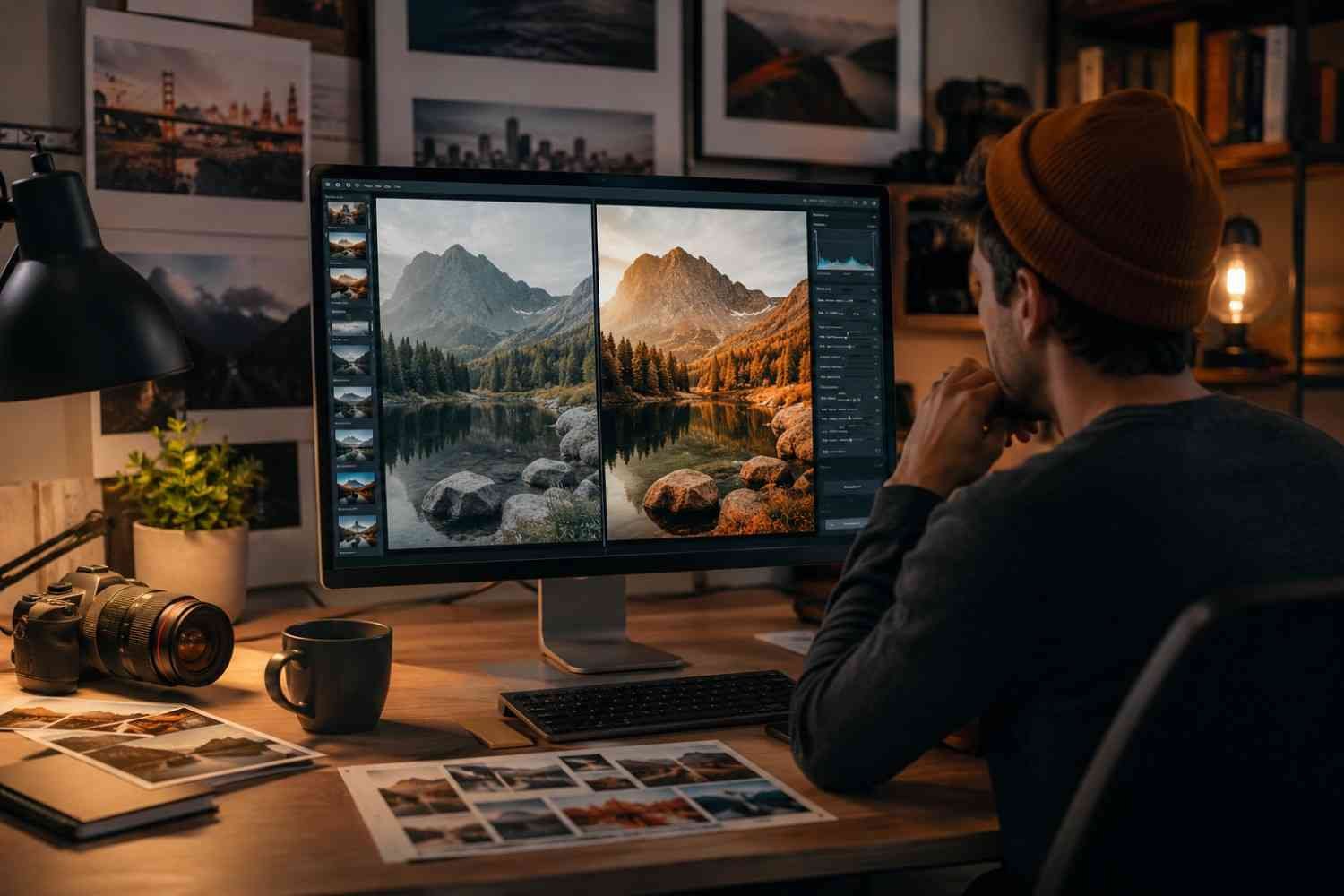
A photo editing style goes far beyond applying a preset or increasing contrast. It represents a collection of editing decisions that shape how viewers experience an image.
Every adjustment affects visual storytelling. Color temperature can make a scene feel welcoming or distant. Contrast can add drama or softness. Saturation influences emotional impact. Even subtle changes can transform how a viewer interprets a photograph.
Over time, these choices become part of your visual identity. When used consistently, they help create recognizable work that feels connected, regardless of the subject matter.
Start With the Story You Want Your Images to Tell
Before opening editing software, think about the emotional response you want to create.
Emotion Before Adjustment
Many photographers begin editing by focusing on technical corrections. While exposure and white balance matter, emotional intent should guide the process.
Ask yourself:
- Should this image feel energetic or calm?
- Does the story call for realism or artistic interpretation?
- What details deserve the viewer’s attention first?
Your answers often point toward the most suitable editing aesthetic.
Matching Style to Subject Matter
Different subjects naturally benefit from different approaches.
Portrait photography often works well with natural-looking edits that preserve skin tones and authentic expressions. Travel photography may benefit from richer colors that highlight atmosphere and location. Editorial work frequently relies on stronger color grading and visual consistency to support a specific narrative.
The goal isn’t to force every image into the same look. It’s to ensure the editing supports the subject rather than competing with it.
Understanding Common Editing Styles
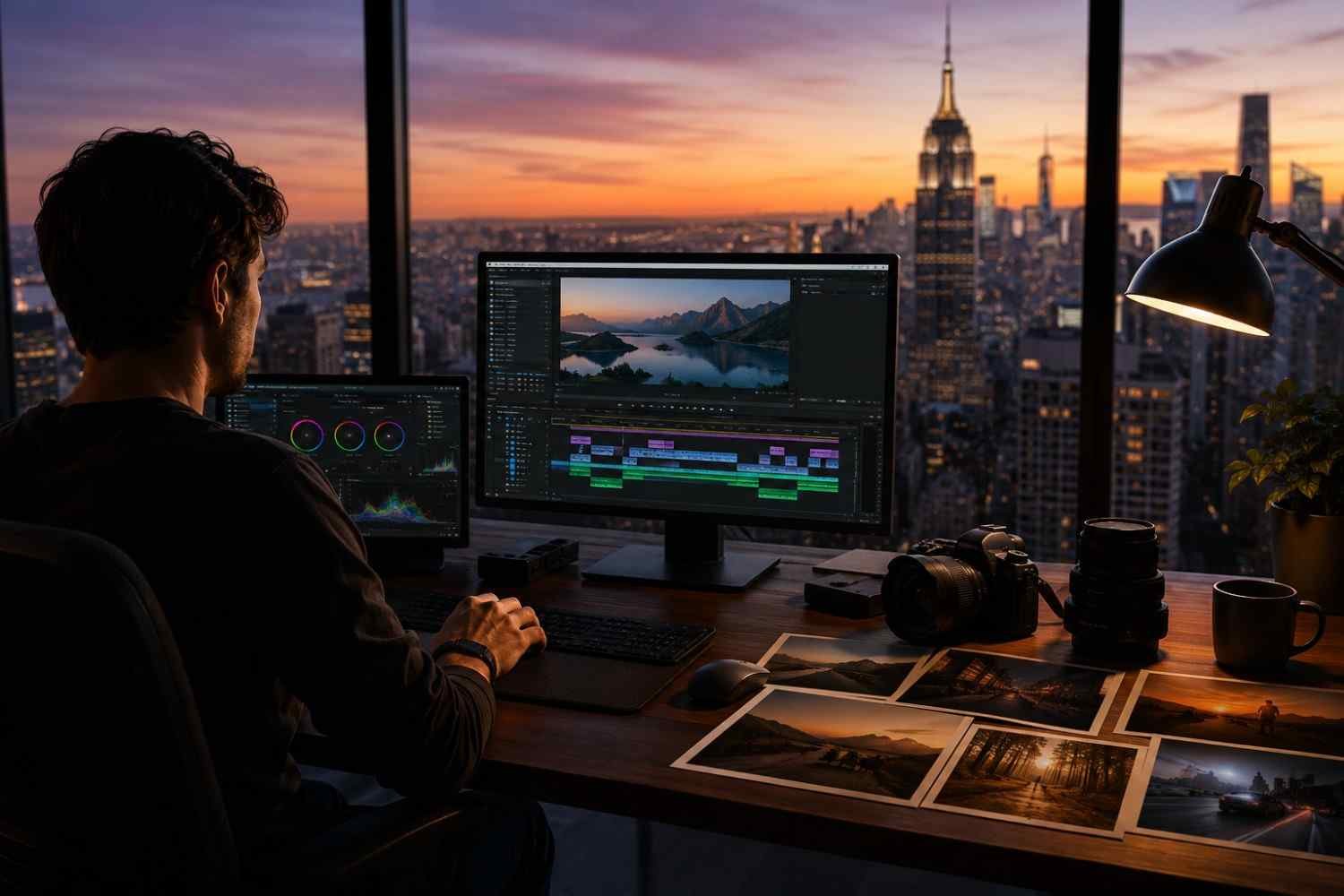
While every photographer eventually develops a personal approach, most editing styles borrow elements from several established categories.
Natural and True-to-Life
Natural editing focuses on realism. Colors remain accurate, details stay intact, and adjustments enhance rather than transform the original image.
This style is popular in documentary photography, family portraits, and professional branding because it maintains authenticity and trust.
Cinematic and Moody
Cinematic editing uses contrast, controlled shadows, and carefully selected color palettes to create atmosphere.
Inspired by film production techniques, this style often emphasizes storytelling and emotional depth. Muted tones, selective color grading, and dramatic lighting can make images feel more immersive.
Bright and Airy
Bright and airy edits prioritize light, softness, and clean highlights.
Wedding photographers and lifestyle creators frequently use this approach because it creates a welcoming and optimistic mood. The resulting images often feel timeless and approachable.
Vintage and Film-Inspired
Film-inspired editing embraces grain, softer contrast, and nostalgic color palettes.
Rather than pursuing technical perfection, this style often focuses on character and emotional resonance, creating images that feel familiar and memorable.
How Different Editing Techniques Influence Viewer Perception
The principles behind video editing offer valuable lessons for photographers as well. Every editing decision influences how viewers process information and emotion.
Continuity editing emphasizes seamless flow and logical progression. In photography, this translates into consistent color palettes and visual cohesion across galleries or portfolios.
Montage editing relies on contrast and juxtaposition. Photographers often achieve a similar effect by combining images with varying compositions, moods, or visual elements to strengthen a narrative.
Thematic editing prioritizes a central idea over chronology. This approach is especially useful when building photo essays, collections, or brand campaigns around a specific message.
Rhythmic editing focuses on pacing and movement. In visual storytelling, repeating colors, compositions, or design elements can create a sense of rhythm that guides the viewer through a sequence of images.
Color grading further shapes perception. High-contrast, desaturated tones often communicate realism and intensity, while warm, saturated colors can create feelings of comfort, nostalgia, or optimism.
Signs Your Editing Style Isn’t Working
Not every editing approach serves your creative goals. Sometimes the warning signs are subtle.
One common issue is inconsistency. If every gallery looks dramatically different, viewers may struggle to recognize your work.
Another challenge comes from trend chasing. What feels fresh today may feel outdated a year from now.
Overediting is equally problematic. Excessive sharpening, unrealistic skin smoothing, or extreme color adjustments can distract from the story you’re trying to tell.
Many photographers improve dramatically once they identify and correct common photo editing mistakes that weaken visual consistency and reduce the impact of otherwise strong images.
Building Consistency Without Limiting Creativity
Consistency doesn’t mean creating identical photographs. It means developing a reliable editing workflow that supports your creative vision.
Start by identifying recurring preferences. Pay attention to the colors, tones, and moods that naturally attract you. Create editing presets as starting points rather than final solutions.
Review your portfolio regularly. Looking at your work as a collection often reveals patterns that individual images hide.
It’s also helpful to think long-term. A sustainable editing style should feel authentic enough that you’ll still enjoy using it years from now. The strongest visual identities evolve gradually rather than changing completely with every new trend.
FAQs: Choosing the Right Editing Style That Matches Your Creative Vision
1. What is the best editing style for beginners?
Natural editing is often the best starting point because it helps photographers learn exposure, color correction, and composition without relying on heavy effects.
2. How long does it take to develop a personal editing style?
Most photographers refine their editing style over months or years. Consistent practice and portfolio reviews usually reveal recurring preferences that shape a unique visual identity.
3. Should photographers use presets?
Yes, presets can improve efficiency and consistency. However, they work best as starting points rather than one-click solutions for every image.
4. Can different photography genres use different editing styles?
Absolutely. Wedding photography, commercial work, travel photography, and editorial projects often require different editing approaches. The key is maintaining consistency within each body of work.
Why the Most Memorable Photos Feel Intentional
The strongest photographs rarely stand out because of extreme edits or trendy effects. They leave an impression because every editing decision supports a larger purpose. Whether you prefer natural tones, cinematic color grading, or a film-inspired aesthetic, the editing should reinforce the story you want viewers to experience. When style and subject work together, images feel more authentic, more cohesive, and ultimately more memorable.
Creative vision develops over time. The right editing style isn’t something you discover overnight—it’s something you refine with every image you create.