When I think through what business expenses can freelance photographers deduct, I start with a single booking. A wedding might involve a lens rental, a second shooter, parking at the venue, and a paid gallery to deliver the images. Each cost has a clear connection to the job, but the rules for claiming it can differ.
Freelance photographers can generally deduct ordinary and necessary business costs such as gear rentals, editing software, advertising, contractor fees, and qualifying travel. If you work as a sole proprietor, you typically report business income and expenses on Schedule C. An ordinary expense is common and accepted in your field, and a necessary expense is helpful and appropriate for your business. Start there, then check the rules for each category.
Camera Gear, Rentals, and Repairs
Camera bodies, lenses, tripods, lighting, computers, and backup drives can all serve a photography business. Renting a backup camera for a wedding is a current business cost. Buying a camera you expect to use for several years may call for depreciation or a qualifying first-year deduction. Routine repairs can generally be treated as business expenses, while an upgrade that improves the equipment may need different treatment.
Suppose you buy a $2,000 lens and use it 75% for client work. The business-use share is $1,500 before applying the rules that determine how much you can deduct that year. Save the invoice, record when you put the lens into service, and keep a log or other records that support your business-use percentage.
Software, Marketing, and Everyday Overhead
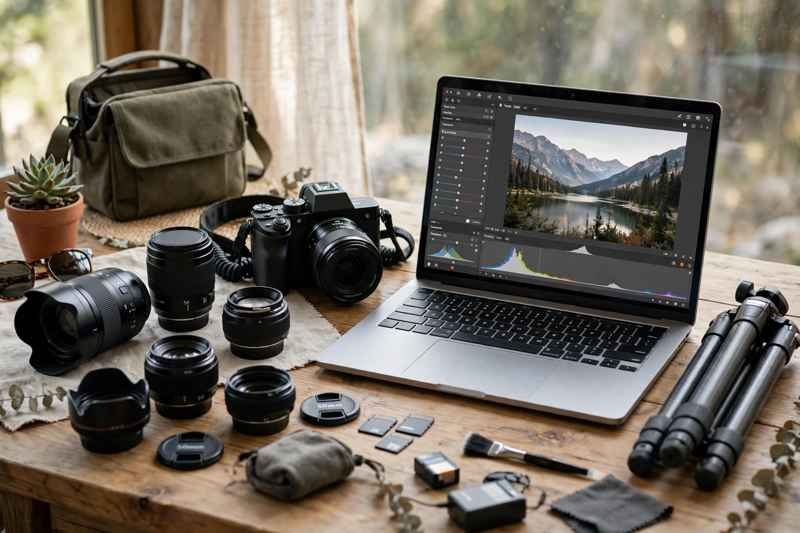
When deciding what business expenses can freelance photographers deduct, review your recurring charges alongside your gear purchases. Lightroom, gallery hosting, cloud backup, invoicing software, and online booking tools can qualify when you use them for business. If you share a phone or internet plan between work and personal life, track and claim the portion you can reasonably attribute to work.
Look through your bank statements for portfolio hosting, domain renewals, paid ads, business cards, and sample albums used to market your services. Tag expenses tied to specific campaigns so you can calculate the return on investment of visual marketing content. Equipment coverage, liability insurance, business licenses, professional dues, and the business portion of bookkeeping or tax preparation fees can also qualify.
Photography Workshops and Continuing Education
An advanced flash workshop can qualify if it improves skills you already use in your photography business. Education that meets the minimum requirements for your work or qualifies you for a new trade generally falls outside the work-related education deduction. Keep the course description with your receipt so you have a record of what the training covered.
Second Shooters, Props, and Client Delivery
Say you hire a second shooter to cover a wedding ceremony while you photograph the couple’s portraits. Save the contractor’s invoice and proof of payment, and record the booking it belongs to. Do the same for freelance retouchers, assistants, stylists, and makeup artists you hire for client work. Check whether any payments trigger contractor reporting requirements for the year.
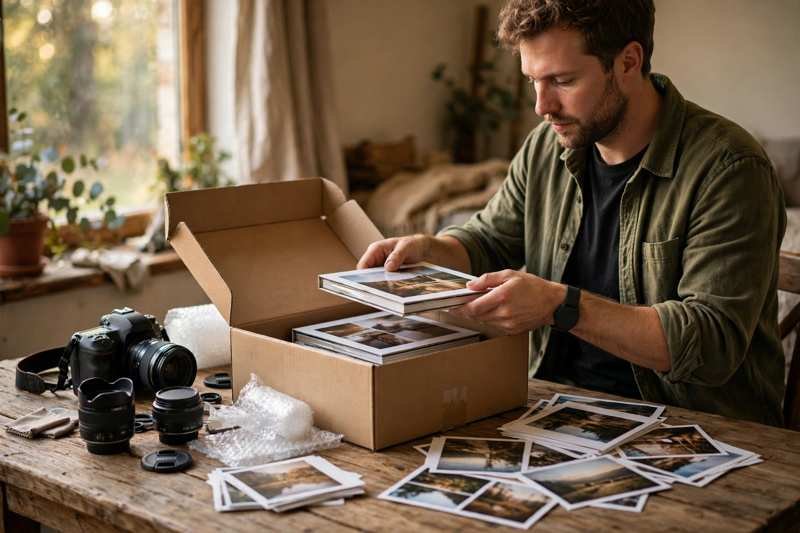
Consumable props, film processing, print lab orders, album production, and shipping are easy to overlook when they’re spread across vendors. Keep those receipts with the job. If you regularly sell prints or albums, check whether your accounting method requires you to account for those production costs through inventory or cost of goods sold.
Mileage, Parking, and Overnight Travel
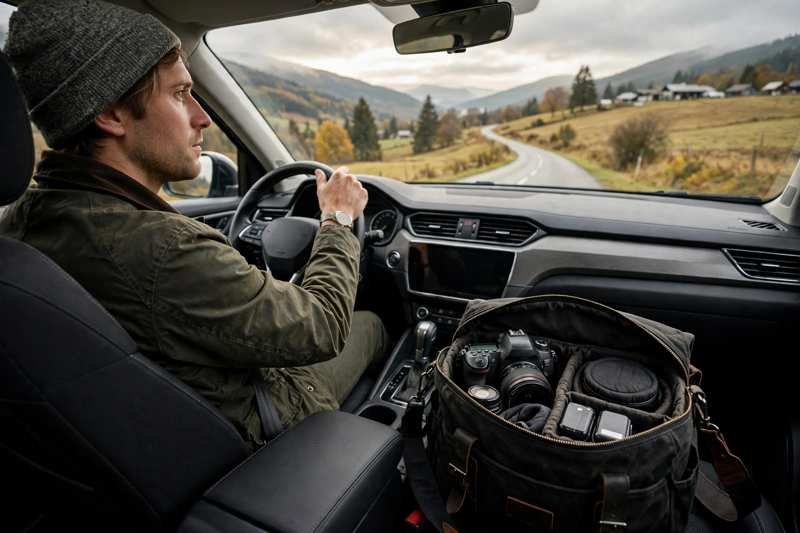
Driving from your regular studio to a client venue can qualify as business transportation. Driving from home to that regular studio is generally a personal commute. For each business trip, log the date, destination, miles, and purpose. Record qualifying parking and tolls separately, and check whether you’re eligible to use the standard mileage method or should use actual vehicle expenses.
Apply the Mileage Rate for the Trip Date
For 2026, the optional business mileage rate is 72.5 cents per mile from January through June and 76 cents from July through December. A qualifying 100-mile round trip in August would equal $76 under the standard mileage method. That method already accounts for operating costs such as gas.
For an overnight assignment away from your tax home, airfare and lodging can qualify when the trip meets the business travel rules. Keep the itinerary and note any personal days or extra costs tied to extending the trip for a vacation.
Studio Rentals and Home Editing Spaces
An hourly studio rental for client headshots can generally qualify as a business expense. A home editing space has its own rules. A dedicated room used regularly and exclusively for your photography business may qualify if it also meets a business-use test, such as serving as your principal place of business. A dining table used for both editing and family meals generally fails the exclusive-use test.
For a qualifying space, compare the simplified and actual-expense methods. Save the measurements for the area you claim and the supporting bills if you use actual expenses.
Frequently Asked Questions
1. What business expenses can freelance photographers deduct when a client reimburses them?
If a client pays you back for a cost you incurred, track the reimbursement and the underlying expense. How you report them can depend on the arrangement and what you report as business income. Keep the client invoice and vendor receipt together so you can reconcile the amounts.
2. Can I deduct a meal during a photo shoot?
Lunch you buy for yourself during a routine local shoot is generally personal. Qualifying business meals and meals during eligible overnight business travel are generally subject to a 50% deduction limit. Keep the receipt and document the business purpose.
3. Do I need a receipt if the charge appears on my bank statement?
A statement shows that you paid a vendor. An itemized invoice or receipt shows what you bought. Keep both when available, and add the booking name or a short note when the business purpose would be hard to remember later.
What I’d Save After Every Shoot
I’d close out each booking by saving the contractor invoices, matching receipts to the job, and logging the drive while the details are fresh. I’d also keep a separate record for major gear purchases and how I use them. That way, when tax season comes around, I can review what I spent and why without reconstructing a year of shoots from bank statements.