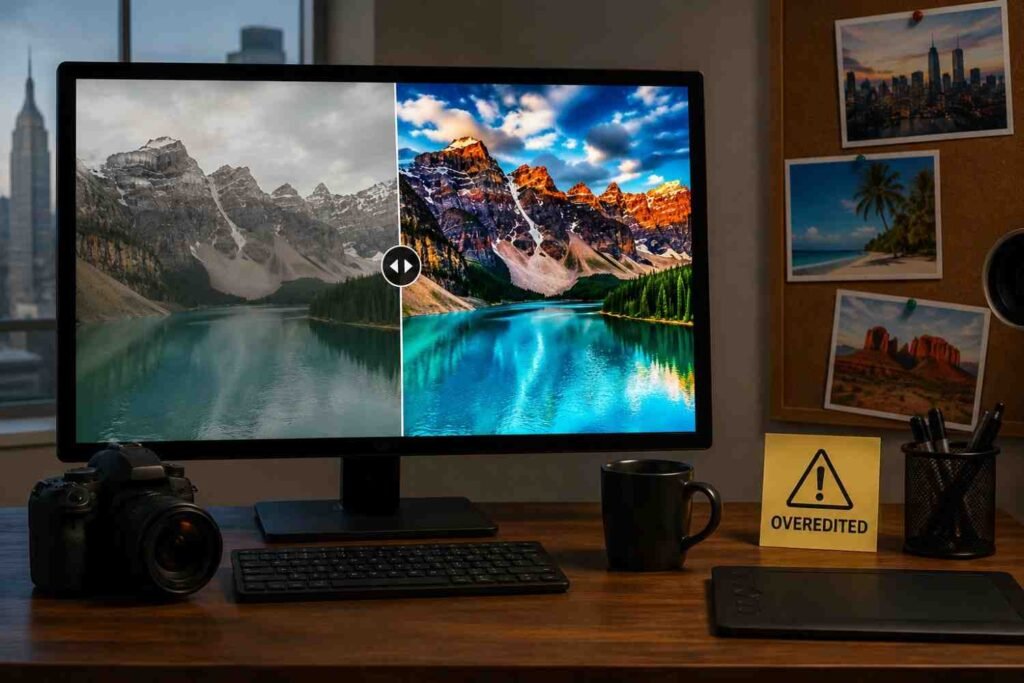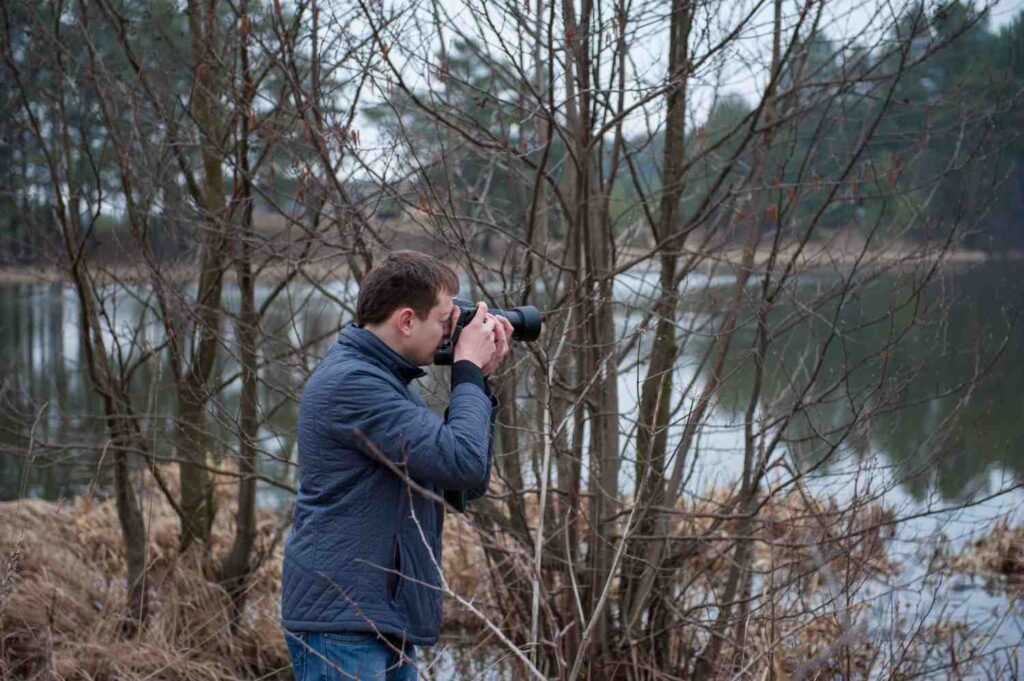
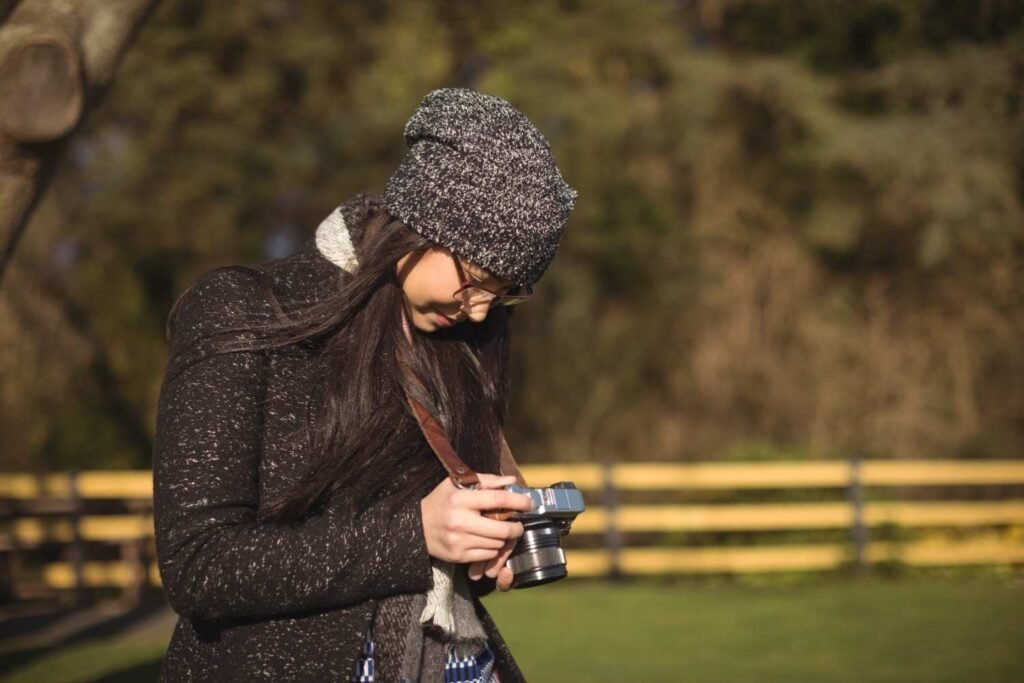
Cloudy weather can look disappointing when you first step outside with a camera, but I actually enjoy shooting under an overcast sky. Clouds act like a huge natural diffuser, softening harsh sunlight and reducing deep shadows. The challenge is that lower ambient light can force slower shutter speeds, higher ISO values, and cooler colors.
Once I learned the best camera settings for cloudy day photography, I found it much easier to create sharp portraits, detailed landscapes, and colorful street photographs even when the sky looked gray.
The right exposure depends on what you photograph. A portrait photographer needs different settings from someone shooting landscapes from a tripod, so I prefer using a flexible baseline rather than one fixed combination.
What Camera Settings Should You Start With on a Cloudy Day?
For general handheld photography, ISO 400 to 800 is a practical starting range. Although ISO 100 delivers the cleanest files, overcast conditions reduce available light. Raising ISO helps maintain a shutter speed fast enough to avoid camera shake without producing excessive noise on most modern cameras.
For portraits, I normally use an aperture between f/2.8 and f/5.6. If I am photographing one person and want stronger background blur, I may open the lens to f/1.4 or f/2.8. For couples or small groups, f/4 to f/5.6 gives me more depth of field.
Landscape photography requires a different approach. I generally choose f/8 to f/11 for strong sharpness throughout the frame. In some situations, f/16 can provide additional depth of field, although diffraction may soften fine detail on some cameras.
For handheld photography, I prefer at least 1/125 second and usually aim closer to 1/250 second. Moving people, street scenes, pets, and children often require 1/250 to 1/500 second. For sports or fast action, I may push beyond 1/1000 second and raise ISO as needed.
What ISO Is Best for Cloudy Weather?
ISO 400 is an excellent starting point for bright overcast conditions. When dark storm clouds move overhead, ISO 800 or 1600 may become necessary.
I would rather accept a small amount of digital noise than capture a blurry photograph because my shutter speed dropped too low. This is especially important when photographing moving subjects. One of the most practical photography tips for non-professional photographers is to prioritize a sharp image over an unnecessarily low ISO setting.
For tripod-based landscapes, however, I often return to ISO 100. Since the tripod prevents camera movement, I can use slower shutter speeds while preserving maximum image quality.
Auto ISO can also be extremely useful for street and action photography. I often set the camera to maintain my chosen aperture and shutter speed while allowing ISO to change automatically. An ISO ceiling around 1600 can work well as a starting point, although newer full-frame cameras may comfortably handle much higher values.
What Aperture Should You Use for Cloudy Day Portraits?
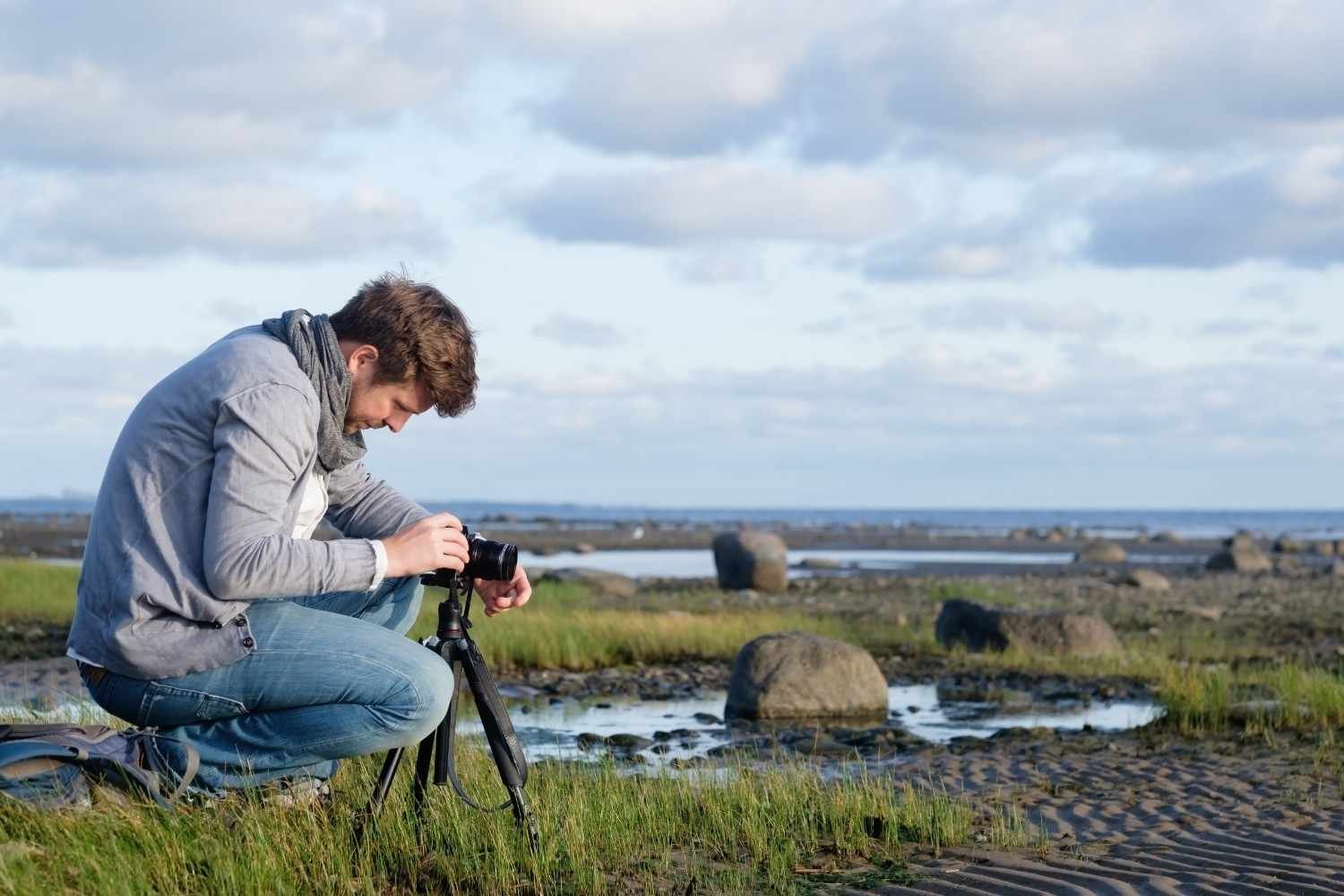
Overcast weather is excellent for portraits because clouds soften the sunlight and reduce harsh shadows around the eyes, nose, and chin.
For a single portrait, f/1.4 to f/2.8 can create strong subject separation and beautiful background blur. If I need slightly more depth of field, I move toward f/4 or f/5.6.
For street photography, f/4 to f/8 gives me enough depth of field to react quickly while still allowing sufficient light into the camera.
I also pay attention to where the brightest section of sky sits. Even under complete cloud cover, one direction usually provides more illumination. Turning a subject toward that brighter area can create better catchlights and more flattering facial definition.
What Shutter Speed Works Best on an Overcast Day?
A cloudy sky often tricks photographers into concentrating on ISO and aperture while forgetting shutter speed.
I treat 1/125 second as a minimum starting point for many stationary handheld subjects. However, I generally choose 1/250 second when photographing people because small movements can cause blur.
For walking subjects or street photography, 1/250 to 1/500 second works well. Sports, wildlife, and fast-moving children often require 1/1000 second or faster.
Landscape photographers using a tripod can ignore these handheld limits. Slow shutter speeds can actually become a creative advantage when photographing waterfalls, rivers, ocean waves, or moving clouds.
What White Balance Is Best for Cloudy Photography?
Overcast light frequently produces a cool or slightly blue appearance. Auto White Balance can correct this successfully, but it may shift as cloud density changes.
I often use the Cloudy white balance preset when I want warmer and more consistent colors. This setting commonly falls around 6000K to 6500K, depending on the camera.
Shade white balance can produce an even warmer result, which may help portraits but can become excessive in some scenes.
Shooting RAW provides the greatest flexibility because I can fine-tune color temperature later without permanently baking a white balance choice into the image.
Should You Use Spot or Evaluative Metering on Cloudy Days?
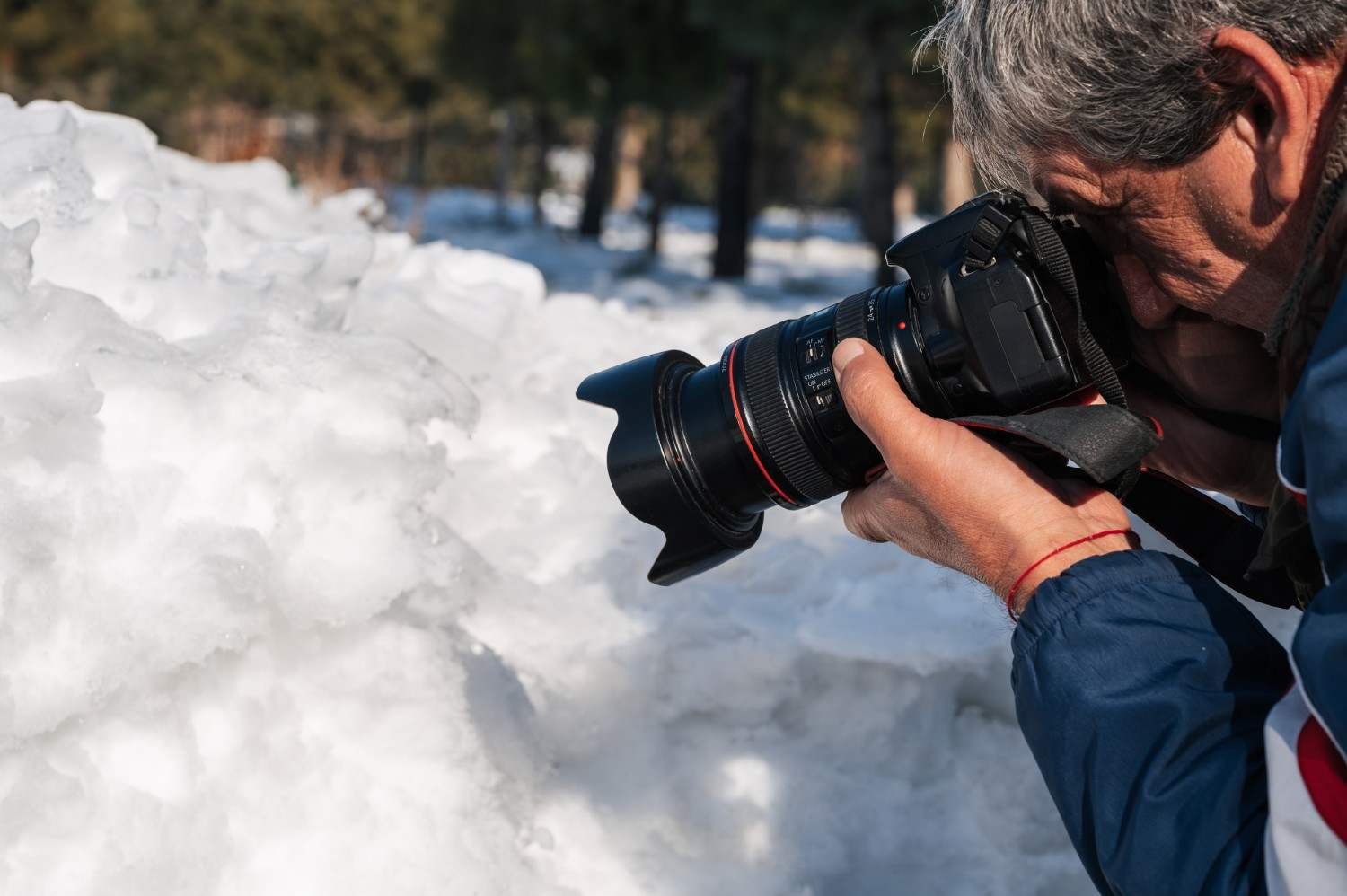
For portraits, Spot Metering can be useful when the subject’s face matters more than the brightness of the sky. I can meter directly from the face and prevent the camera from making the person too dark simply because a large gray sky dominates the frame.
For landscapes, Matrix or Evaluative Metering usually works better because the camera considers the whole scene.
I also watch the histogram rather than trusting the LCD alone. Cloudy skies can contain subtle highlight detail that disappears if the exposure becomes too bright.
Should You Underexpose Cloudy Photos?
Slight underexposure can protect cloud texture when the sky is much brighter than the foreground. Exposure compensation around -0.3 to -0.7 EV can be useful when highlights are close to clipping.
However, I do not automatically underexpose every overcast photograph. If a person’s face is too dark, I may actually need positive exposure compensation.
The histogram and highlight warning are better guides than a universal rule. My goal is to protect important highlights while retaining enough shadow information to edit naturally later.
Why Should You Shoot RAW on Cloudy Days?
RAW files preserve more image data than JPEGs, making them especially valuable when photographing bright clouds above darker foregrounds.
I can recover shadow detail, reduce bright highlights, correct white balance, and adjust contrast more effectively in software such as Adobe Lightroom.
This flexibility is particularly useful when cloud cover changes quickly and exposure conditions vary between frames.
How Can You Make Flat Cloudy Photos More Interesting?
Overcast light often makes colors look rich because there are fewer harsh reflections. I like incorporating red, yellow, orange, or other saturated colors into portraits and street photographs because they contrast beautifully with muted gray surroundings.
Wet streets, foliage, rivers, and buildings can also become more visually interesting after rain. A circular polarizing filter may help reduce unwanted reflections and strengthen colors in landscapes, although its effect on an evenly gray sky may be limited.
If the sky has little texture, I avoid filling half the frame with blank white space. Instead, I emphasize foreground details, reflections, architecture, people, or natural textures.
Black-and-white photography is another strong option because overcast conditions can emphasize shape, mood, and subtle tonal transitions.
What Settings Work Best for Different Cloudy-Day Subjects?
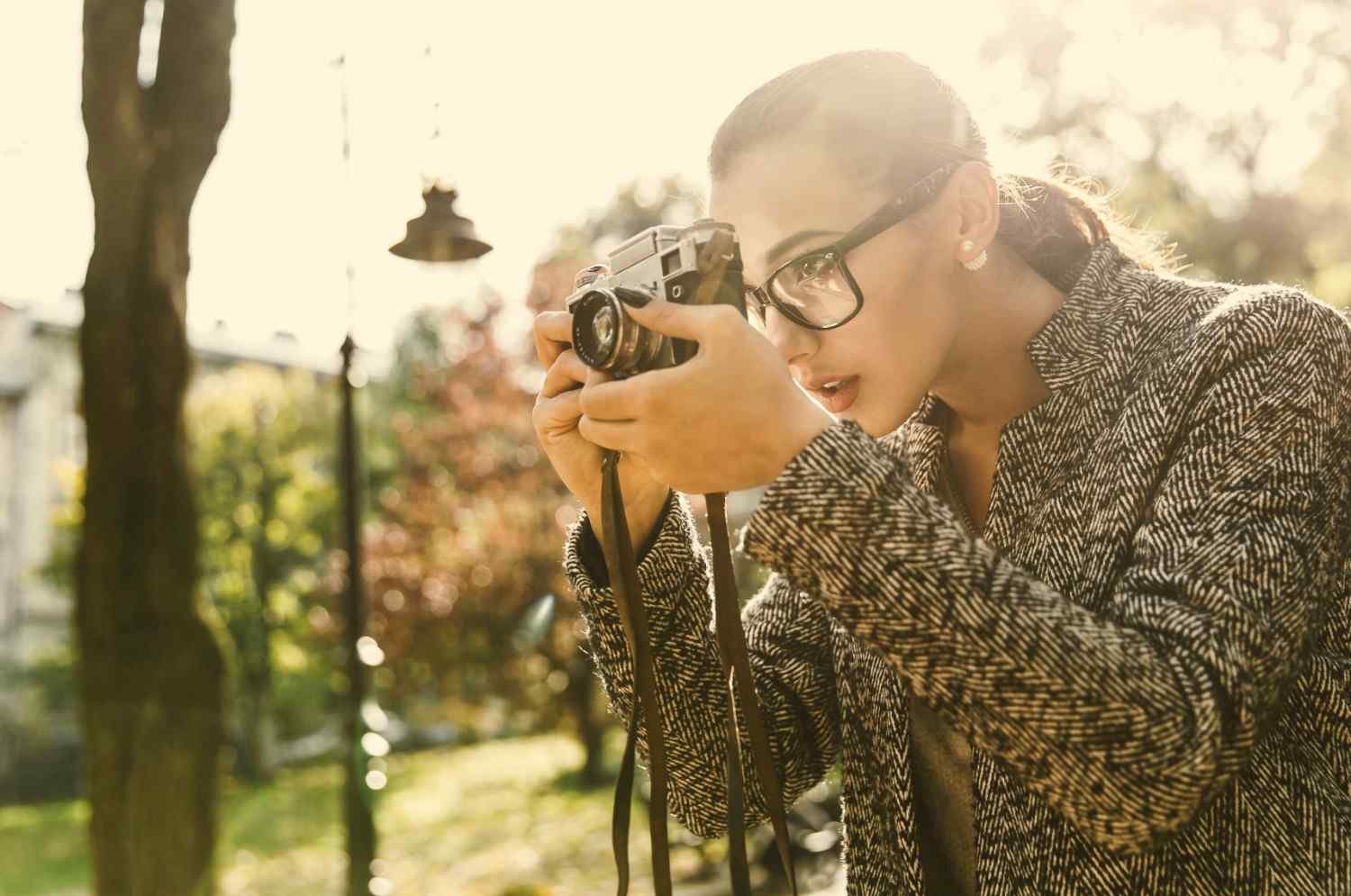
For portraits, I typically begin around ISO 400, f/2.8, and 1/250 second while metering carefully for the face.
For landscapes, ISO 100, f/8 to f/11, Evaluative Metering, and a tripod give me maximum flexibility. Shutter speed can vary according to the scene.
For street and action photography, I favor f/4 to f/8, shutter speeds between 1/250 and 1/500 second or faster, and Auto ISO when changing cloud cover makes exposure unpredictable.
Frequently Asked Questions (FAQs)
What are the best camera settings for cloudy day photography?
A strong general starting point is ISO 400 to 800, f/2.8 to f/5.6 for portraits, f/8 to f/11 for landscapes, and at least 1/125 second for handheld shooting. Adjust shutter speed upward when photographing movement and lower ISO when using a tripod.
Is ISO 800 too high for cloudy photography?
No. ISO 800 is completely reasonable when the available light is low or you need to maintain a faster shutter speed. Modern cameras generally handle ISO 800 very well.
Should I use Cloudy white balance or Auto White Balance?
Cloudy white balance is useful when you want warmer and more consistent colors. Auto White Balance works well when light conditions change rapidly. RAW photography lets you correct either choice later.
Is overcast weather good for portraits?
Yes. Cloud cover diffuses sunlight and reduces hard facial shadows, often creating flattering and consistent portrait light.
Should I use a polarizing filter on cloudy days?
A polarizer can still improve foliage, water, wet surfaces, and reflections. Its effect on a flat gray sky will usually be less dramatic than on a blue sky.
Final Thoughts
I no longer consider an overcast forecast bad news for photography. Soft light can improve portraits, enrich colors, control highlights, and create atmospheric landscapes. The key is adjusting ISO, aperture, shutter speed, metering, and white balance for the subject rather than relying on a single exposure recipe.
Once I understood the best camera settings for cloudy-day photography, I became much more comfortable working in changing light. Whether I am photographing a family portrait, downtown street scene, dramatic landscape, or fast-moving subject, I concentrate first on shutter speed and depth of field, then adjust ISO to achieve the exposure I need.
Cloudy conditions can become some of the most forgiving and creative light you will photograph.