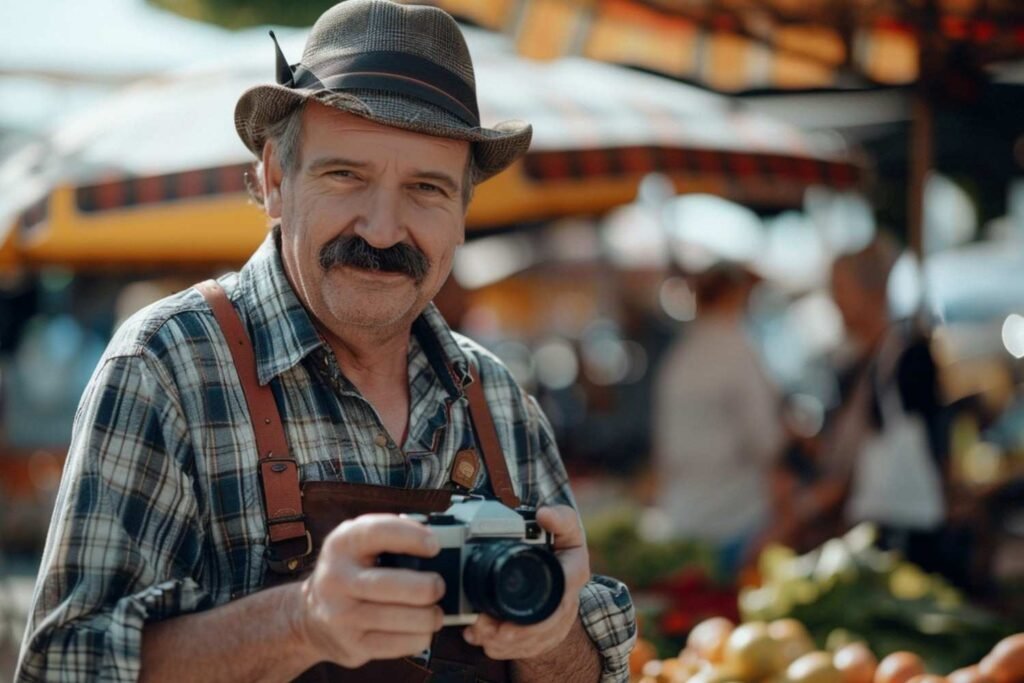
A busy farmers market gives me almost everything I want as a photographer: colorful produce, expressive vendors, handmade goods, changing natural light, and spontaneous interactions. It also creates technical challenges. I can move from open sunshine into a dark tent within seconds, while shoppers and vendors rarely stay still.
That is why I approach the best camera settings for farmers market photography as a flexible baseline rather than one fixed exposure. For most US outdoor markets, I start with Aperture Priority or Manual mode with Auto ISO, a fast enough shutter speed to stop movement, continuous autofocus, and RAW files. From there, I make small adjustments depending on the subject and available light.
What Camera Mode Works Best at a Farmers Market?
For photographers who want to react quickly, Aperture Priority, marked A or Av on most cameras, is one of the easiest choices. I set the aperture for the depth of field I want, and the camera adjusts shutter speed as I move between open walkways and shaded vendor tents.
I also like Manual mode with Auto ISO when I want tighter control. I can lock my shutter speed around 1/250 or 1/500 second, choose f/4, and let ISO rise or fall automatically. This approach helps prevent the camera from selecting a shutter speed that is too slow for moving people.
Should You Shoot Farmers Market Photos in RAW?
I strongly recommend RAW. Fabric tents, awnings, fluorescent lights, and reflected colors can create unusual white balance shifts. RAW files give me much more freedom to correct those color casts later.
RAW also helps recover detail in bright areas such as glossy apples, wet greens, tomatoes, reflective jars, and white tents. JPEG can work when fast delivery matters, but RAW gives photographers more room to fix exposure and color.
What Autofocus and Drive Mode Should You Use?
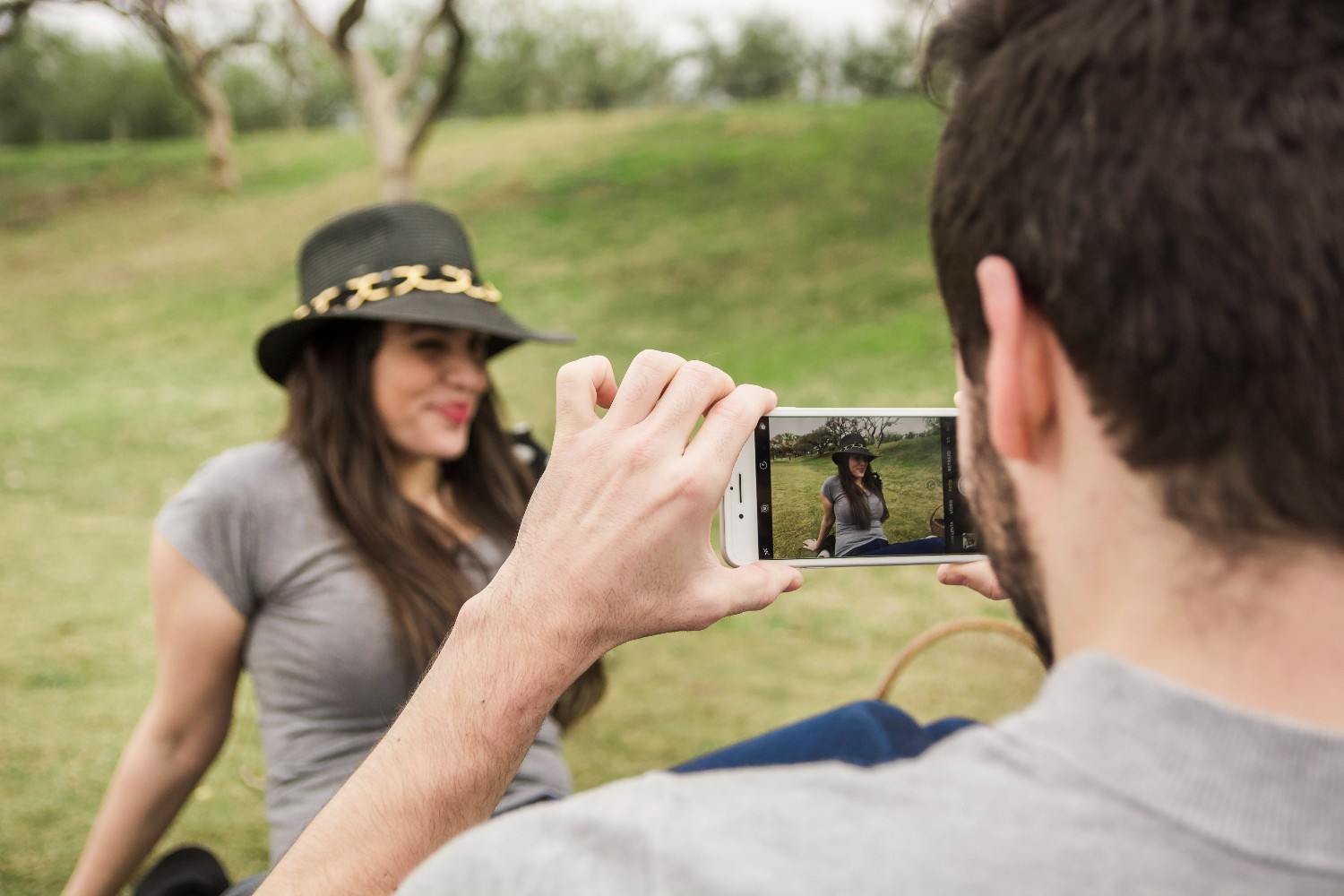
Continuous autofocus, called AF-C on many Nikon and Sony cameras and AI Servo on Canon systems, works well for moving vendors and shoppers. I usually pair it with a small autofocus zone or carefully positioned focus point.
Eye autofocus is useful for vendor portraits, while single-point AF gives me precise control over berries, flowers, baked goods, and handmade products.
I also use Low Continuous or Burst mode when photographing brief interactions. A short burst can capture the exact instant a vendor passes over a bag of produce, a customer reaches for fruit, or two people laugh during a transaction without filling the memory card unnecessarily.
What Settings Work Best for Close-Up Produce Photography?
For macro-style details of strawberries, blueberries, vegetables, flowers, pastries, or handmade products, I normally work around f/2.8 to f/4. That produces useful background separation without making the depth of field unmanageably thin.
A shutter speed of approximately 1/200 second or faster helps prevent handheld camera shake. In good outdoor light, ISO 100 to 400 usually preserves plenty of color and fine detail. These simple settings also fit well with practical photography tips for non-professional photographers who want sharper, more polished images without complicated equipment.
For these close-ups, I place focus carefully on the nearest important detail. Auto White Balance often works well outdoors, particularly when the scene contains relatively neutral natural light.
What Camera Settings Should You Use Under Market Tents?
Covered stalls are where exposure becomes more challenging. Light levels can drop abruptly, and colorful tent material can affect skin tones and food colors.
I start near f/2.8 to gather more light. For a relatively still vendor, 1/125 second can be an acceptable minimum, although I prefer 1/250 second whenever hands or customers are moving. ISO 800 to 1600 is often necessary, and I would rather accept some noise than lose a photograph to motion blur.
A custom or manual white balance can improve accuracy under strongly colored awnings. Shooting RAW gives me another safety net when mixed light makes a perfect in-camera white balance difficult.
What Settings Are Best for Wide Farmers Market Scenes?
When I want the entire market aisle, several stalls, and layers of shoppers in focus, I generally move toward f/5.6 to f/8.
A shutter speed between 1/250 and 1/500 second works well for people walking through the frame. In open daylight, ISO 200 to 400 is often enough.
Exposure compensation also becomes important. A bright sky or pale canopy can cause the camera to darken the stalls. I check the histogram and preview rather than trusting the meter blindly.
How Do You Protect Bright Produce From Blown Highlights?
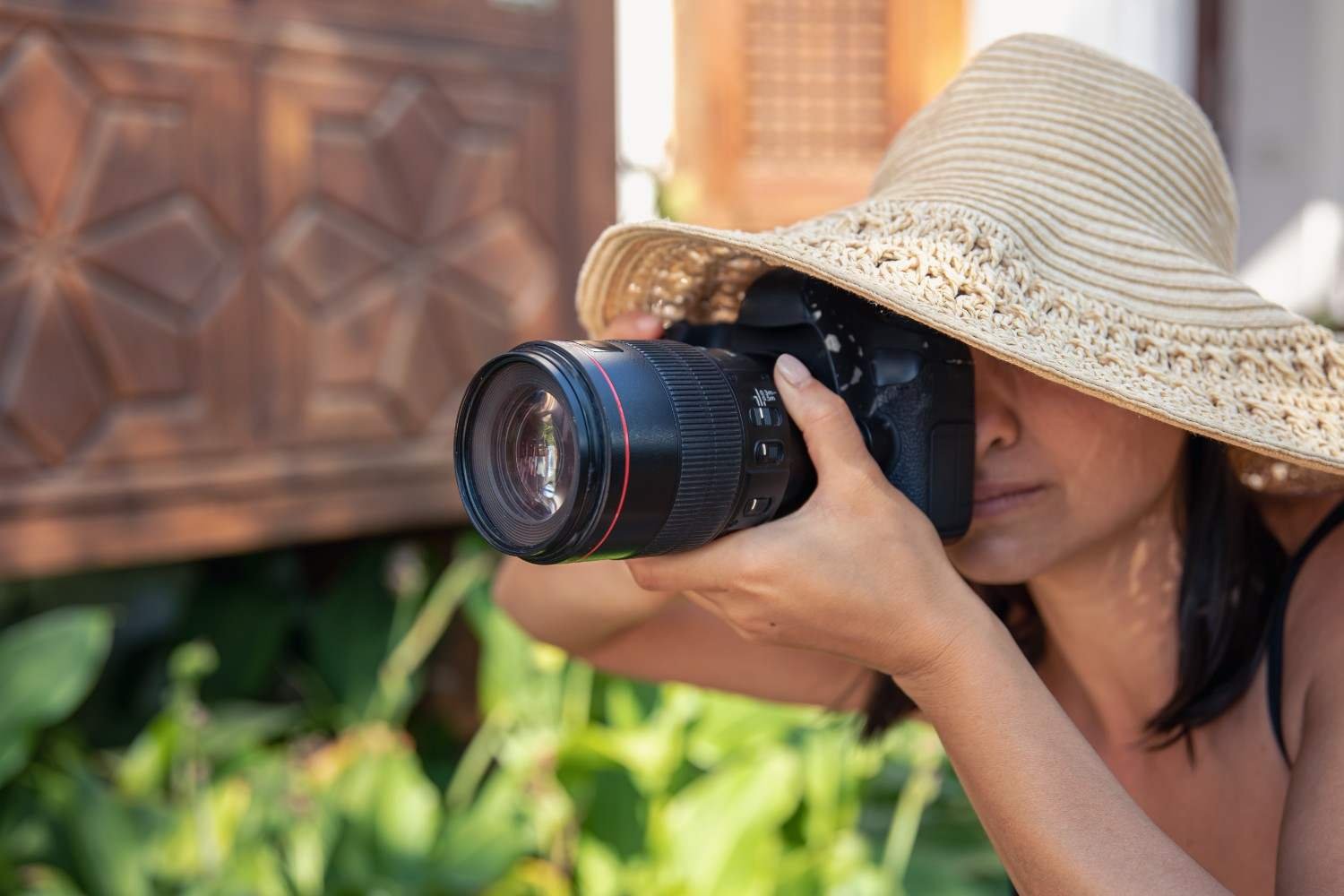
One of the easiest ways to improve the best camera settings for farmers market photography is to watch highlights rather than exposure alone.
Glossy fruit, wet vegetables, metal containers, white packaging, and polished jars can lose detail quickly in direct sun. When highlights are clipping, I often dial exposure compensation down by about -0.3 EV or -0.7 EV.
That slight reduction can preserve texture and richer color, especially when photographing red tomatoes, shiny peppers, apples, and wet leafy greens.
What Settings Work Best in Bright Sun or Cloudy Weather?
In strong midday sun, I usually start around ISO 100 to 400, f/4 to f/8, and 1/500 to 1/1000 second. The faster shutter speed makes it easy to stop motion while the lower ISO preserves image quality.
Cloudy conditions can actually be excellent for farmers market photography because the light is softer. Around 1/250 to 1/500 second, f/4 to f/5.6, and ISO 400 to 800 gives me a dependable starting point.
For indoor public markets or darker covered halls, ISO may need to rise to 1600 or even 3200. Modern cameras handle these values far better than many photographers expect.
Is a 50mm f/1.8 Good for Farmers Market Photography?
A 50mm f/1.8 is one of the most useful affordable lenses for a farmers market. It is small, light, bright, and capable of creating attractive background blur. Its wide maximum aperture also helps inside dim stalls.
I like that a 50mm encourages me to physically move rather than stand far away with a large telephoto zoom. That often leads to more natural conversations with vendors.
A 35mm lens is better when I want more environmental context, while a 24-70mm zoom provides flexibility when I need to switch quickly between wide market scenes and tighter details.
When Is the Best Time to Photograph a Farmers Market?
I prefer arriving during setup or shortly after opening. At many US farmers markets, early morning gives me softer directional light, cleaner displays, and fewer distracting crowds.
Produce is also likely to look its best before customers have handled or purchased much of it. Vendors are often less rushed during setup, which can make it easier to introduce myself and ask permission for portraits.
What Common Camera Setting Mistakes Should You Avoid?
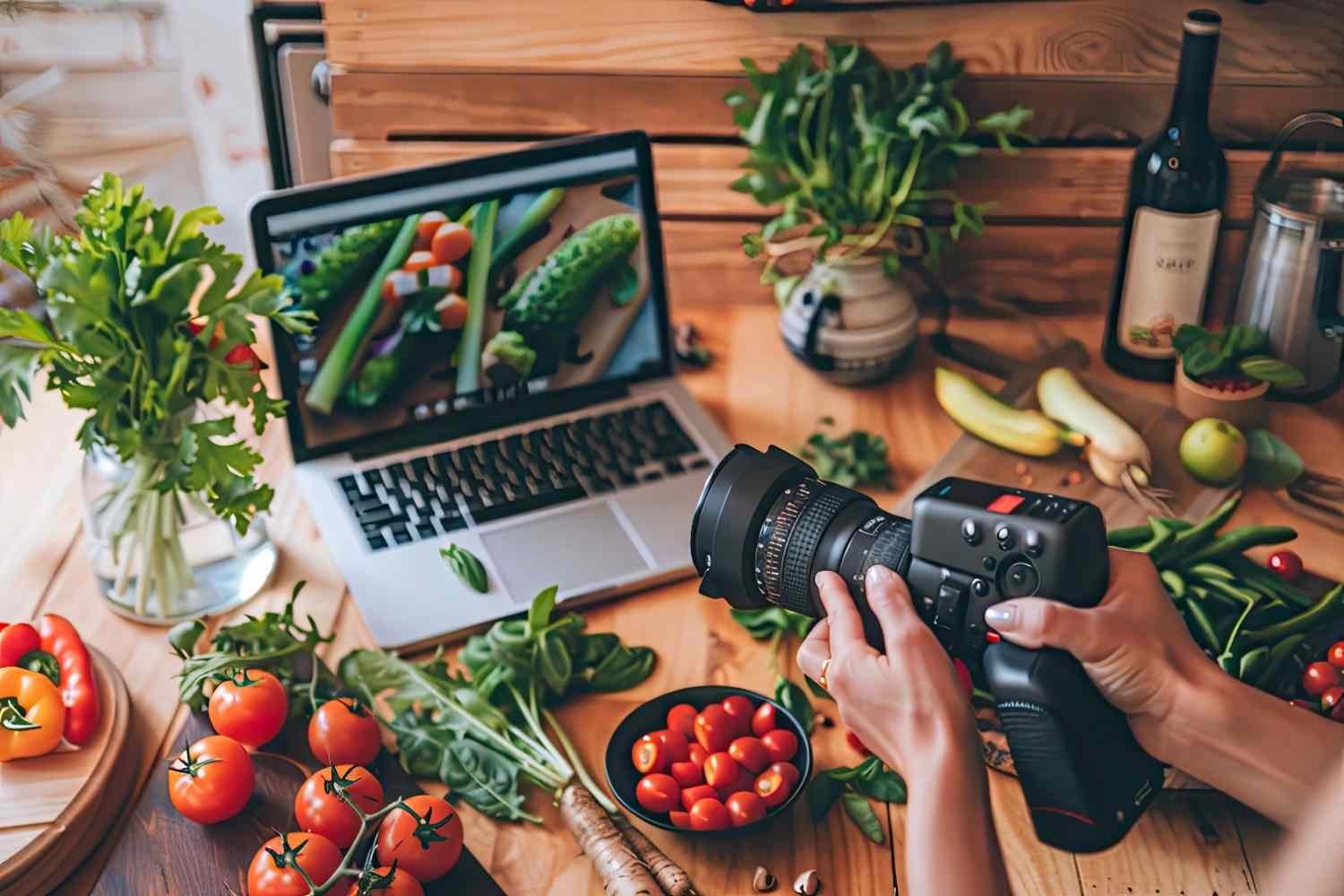
A shutter speed that is too slow causes more ruined market photos than a slightly high ISO. If hands or faces look soft, I increase shutter speed first.
Another common mistake is shooting everything at f/1.8 simply because a lens allows it. Wider apertures look attractive for individual products, but f/5.6 or f/8 usually works better when several people, tables, or products need to remain sharp.
I also avoid relying completely on Auto White Balance when a strongly colored tent is obviously affecting the scene.
Frequently Asked Questions (FAQs)
1. What shutter speed is best for farmers market photography?
I recommend around 1/250 second for general shooting and 1/500 second for active vendors, walking shoppers, children, or fast hand movements. For relatively static displays, approximately 1/125 to 1/200 second can work.
2. Is Aperture Priority good for photographing outdoor markets?
Yes. Aperture Priority is especially useful when lighting changes constantly because you control depth of field while the camera responds to exposure changes. Check that shutter speed does not drop too low.
3. Should I use Auto ISO at a farmers market?
Auto ISO is extremely useful when moving between direct sunlight and shaded stalls. I often combine it with a fixed minimum shutter speed so the camera raises ISO instead of allowing motion blur.
4. What aperture should I use for vendor portraits?
I normally use f/2.8 to f/4. This keeps the vendor sharp while softening distracting tables, signs, shoppers, and stalls in the background.
Final Thoughts
The best camera settings for farmers market photography should make the camera easier to operate, not give me another distraction while the best moments disappear. I start with Aperture Priority or Manual plus Auto ISO, RAW, continuous autofocus, and a shutter speed around 1/250 to 1/500 second.
From there, I adapt. I open the aperture in dark stalls, stop down for wider environmental scenes, protect bright produce with negative exposure compensation, and use short bursts when interactions happen quickly. Once those technical choices become routine, I can concentrate on what makes American farmers’ markets worth photographing in the first place: people, local food, color, community, and unscripted moments.