When I’m tempted to buy a lens for an upcoming shoot, I start with my calendar. Can I name three other projects where I’d reach for it? Would I use it often enough to justify keeping it?
My approach to how to decide whether to buy or rent camera gear is to rent for one-off shoots or trials, buy equipment I use regularly, and price a used option before paying for new. Once I have those three prices, I can see what each choice costs over the time I expect to use the gear.
Start With the Shoots You Can Actually Name
Look back at the past year and count the shoots where you would have booked that exact camera, lens, or lighting kit for photography. Then check your upcoming calendar. Include confirmed client work and personal shoots you genuinely plan to do. If several shoots fit into one weekend rental, count them as one booking when comparing costs.
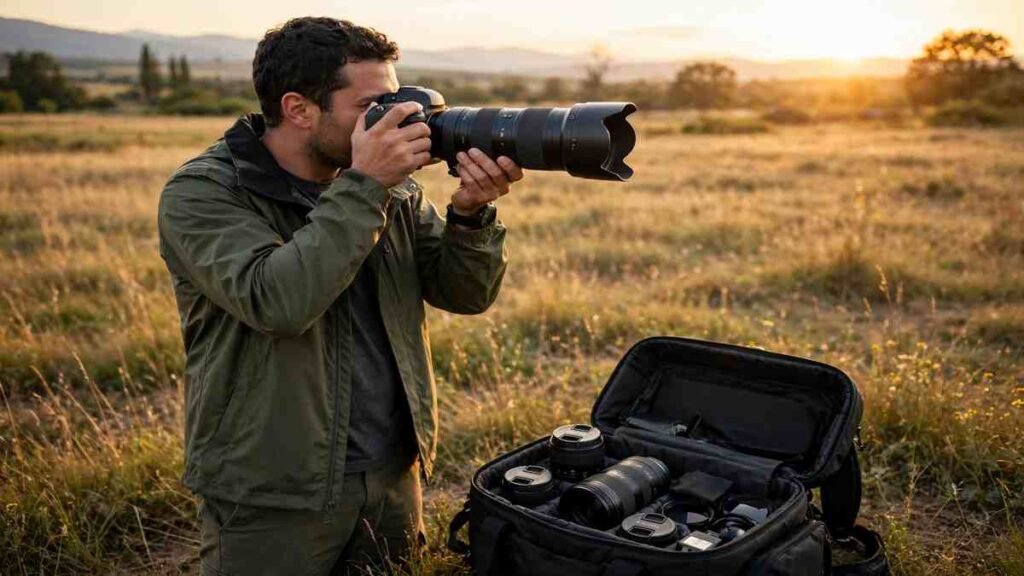
For a wildlife trip, renting a super-telephoto lens can give you the reach you need for a few days. A macro lens can serve the same purpose for a one-off jewelry shoot. A stock photographer who uses the same standard zoom every week has a stronger case for ownership, especially when a quick reshoot would mean booking and collecting the lens again.
Calculate Your Camera Gear Break-Even Point
The most practical way to work out how to decide whether to buy or rent camera gear is to compare complete kits over the same period. Choose a timeframe, such as two years, and compare the net cost of owning the gear with what you’d pay to book it over those two years.
Get an All-In Rental Quote
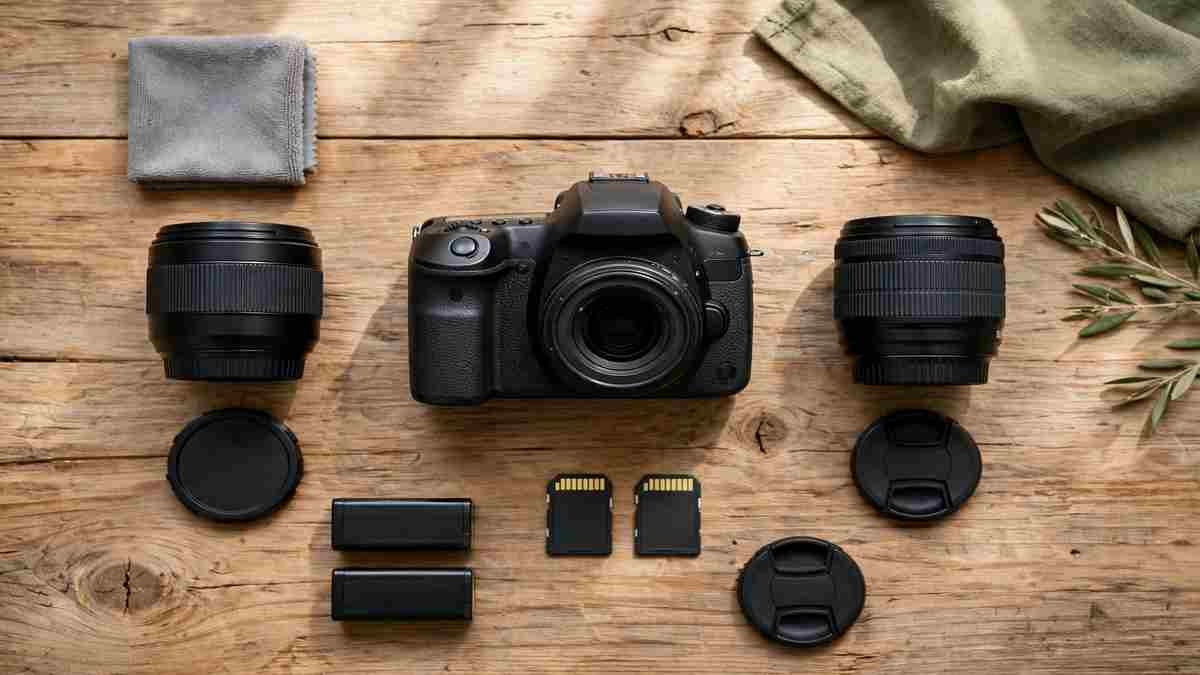
Start with the rate for the entire booking. Add any sales tax, shipping, damage coverage, paid prep days, or accessories you’ll need. For a camera body, that might mean compatible memory cards, spare batteries, or an adapter. A refundable deposit or card hold can limit the money available for a project. Track it separately from the rental cost.
Estimate What Ownership Will Cost
Add the purchase price, applicable tax, and any extra equipment, maintenance, or insurance you expect to pay for during your chosen period. Then subtract what you reasonably expect to recover when you sell the gear. Use a conservative resale estimate and account for any selling fees. Run the same calculation for a used copy.
Divide the net ownership cost by the full cost per rental booking. If the result is a whole number, renting and buying cost the same at that booking count. Buying becomes cheaper on the next booking. If you track stock photography royalties across platforms, you can also see how much of the upfront purchase your stock income could cover.
Compare Renting, Buying Used, and Buying New
Suppose a lens costs $1,000 new, with $100 in additional ownership expenses over two years. If you expect to recover $600 at resale, its net cost is $500. At $125 per weekend rental with fees included, buying new and renting tie at four weekends. Buying new becomes cheaper at five.
Now suppose the same lens costs $750 used, with $100 in expenses and an estimated $500 resale value. The net ownership cost is $350. Three weekend rentals would cost $375, so buying used comes out $25 ahead at the third booking. If you have only two weekends planned, renting still costs less. These figures are hypothetical, so use your own quotes and resale estimates.
When Buying Camera Gear Makes Sense
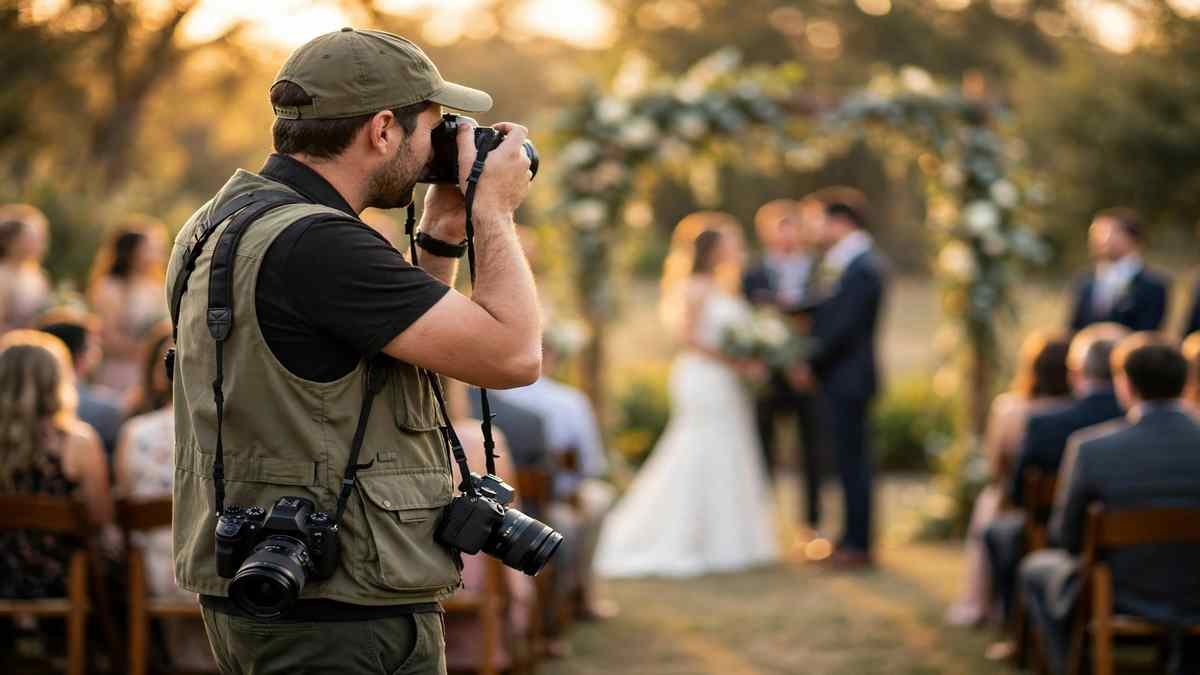
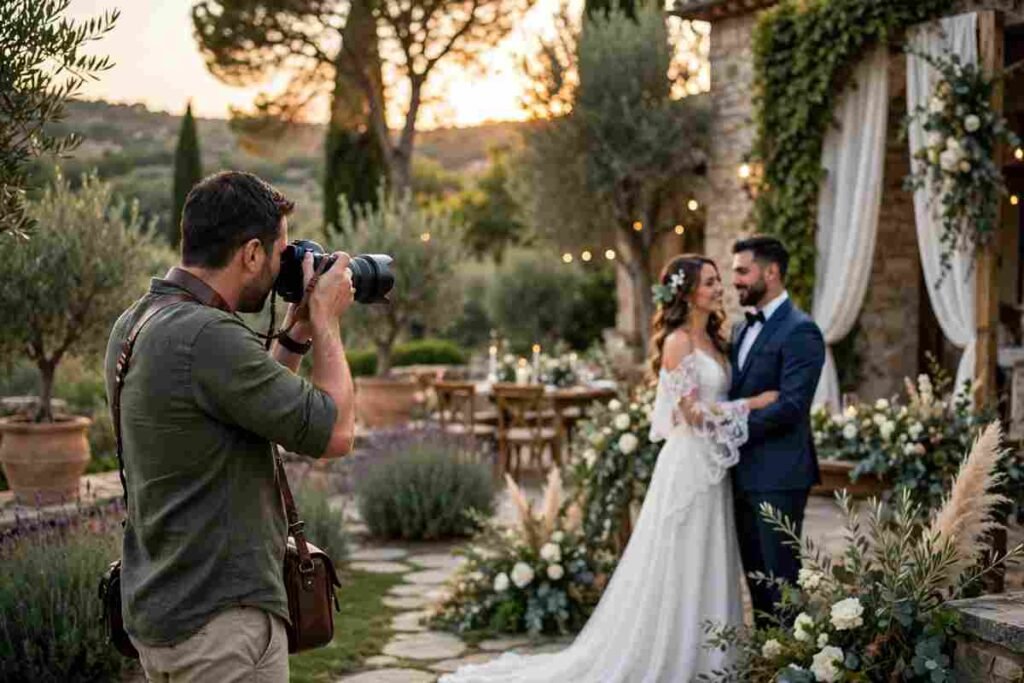
Buying starts to make sense when the same gear appears repeatedly on your shot lists or when immediate access matters to your work. A wedding photographer who relies on a familiar backup body every weekend may value having it ready, even when renting looks slightly cheaper on paper.
When comparing used and new, check the return window, warranty coverage, and condition. For a used lens, test autofocus and inspect the glass and mount. For a used camera body, check the sensor, card slots, ports, and controls. A small price difference may be worth paying if the new option offers coverage you’ll rely on.
Rent Before You Buy and Test It on a Real Shoot
A trial rental works best when you give the gear a specific job. If you’re considering a new lens for indoor events, test autofocus on moving subjects in similar light. Check mount compatibility, how the lens balances on your camera, and how it feels after a full session. Review the files in your usual editing software to see whether the results justify the purchase.
Before booking, check when the gear will arrive and when it must go back. Leave time to inspect it, confirm the accessories are included, and document any existing wear. For a time-sensitive shoot, check whether you can get a replacement if something arrives damaged.
Frequently Asked Questions
1. is the easiest way to learn how to decide whether to buy or rent camera gear?
Pick one piece of gear and compare its net ownership cost with the total cost of the bookings you realistically expect. Include a used purchase quote and compare every option over the same period.
2. Is renting a camera lens before buying it worth it?
Yes, when you’re unsure about focal length, autofocus, handling, or compatibility. Test the lens on your own camera during a representative shoot. You’ll learn more about whether it fits your work than you would from a quick test at the counter.
3. Should I compare daily or weekend camera rental rates?
Use whichever rate covers the full time you need the kit, including testing and return. If a weekend booking covers two shoots, use the cost of that single booking in your break-even calculation.
4. How many times should I rent a lens before buying it?
Divide its estimated net ownership cost by the all-in rental cost per booking. If your expected bookings exceed the break-even point, buying is cheaper under those assumptions. Recalculate if a longer rental period gets you a lower rate.
The Decision I’d Make Before Checkout
When I revisit how to decide whether to buy or rent camera gear, I ask which upcoming shoots would actually be harder without it. If I can name only one, I rent. If the same item keeps coming up and buying costs less over the period I’ll keep it, I compare used and new copies. I’m happy to own the kit I reach for every week and rent the pieces that earn their place on a particular shoot.