When a client tells me they need photos “for digital,” my first question is where the images will actually appear. A homepage banner, a paid Instagram campaign, and a retailer’s product page can all use the same photo, but each gives the client a different way to put that image to work.
My approach to how to price commercial photography usage rights starts with defining who can use the images, where they can appear, and when the permission ends. Then I compare that scope with a similar job and list licensing separately from the cost of making the photos.
What Does a Commercial Photography Usage Fee Cover?
A usage fee buys permission to use specific images under agreed terms. A creative fee covers the photographer’s work, such as planning and directing the shoot. Production expenses cover items such as a studio rental, assistants, props, and retouching. Showing those costs separately makes it easier for a client to adjust the campaign scope and see how that changes the total.
For example, if a client needs the same eight product photos but decides to drop paid ads, the shoot and editing can stay as quoted while the licensing fee changes.
What to Ask Before Quoting Photography Usage Rates
Where will the images appear, and who will publish them?
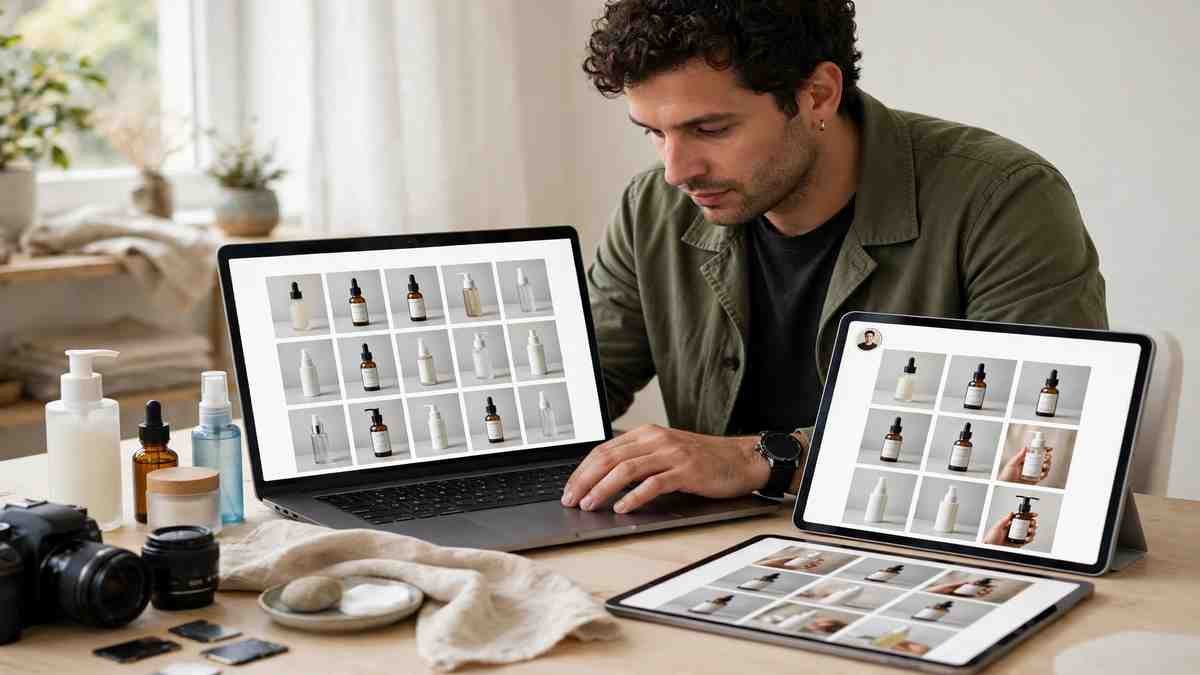
Ask the client to name each placement. A brand’s website and organic social accounts are a useful starting point. Paid social, boosted posts, packaging, print, and in-store signage call for separate discussion. Ask about the size of the media buy, print run, or distribution when those details affect the scope.
Confirm how many final images are covered and who can use them. An agency posting to the brand’s account on its behalf is a different arrangement from a retail partner publishing the images on its own storefront. Name any authorized partners and specify whether they can crop the photos or reuse them in their own ads.
When does the license start, and where does it apply?
A 12-month term needs a start date or a defined trigger, such as first publication. For geography, identify the markets the campaign targets. A website may be visible worldwide while paid ads target a specific region.
Scope exclusivity separately. A brand might request 12 months of usage and six months of exclusivity for a named product category. Price that restriction based on the licensing opportunities it could cost you. If the client says “buyout,” ask whether they mean perpetual use, broad media rights, exclusivity, or a copyright transfer. Each request has different implications for the quote.
How to Calculate a Photography Licensing Fee
A practical way to learn how to price commercial photography usage rights is to start with a comparable quote you’ve issued. Look for a project with a similar number of images, client reach, channels, and term. Record the license fee and the scope it covered. Then compare what the new client is asking for.
If the new brief adds paid promotion, ask about campaign length, target markets, and approximate spend. If it adds retail partners, ask how many and where the photos will appear. Use those answers to justify your adjustment. If you lack a close comparison, quote a narrow base license and price broader uses as options the client can approve individually.
Sample Quote for a Product Photography Campaign
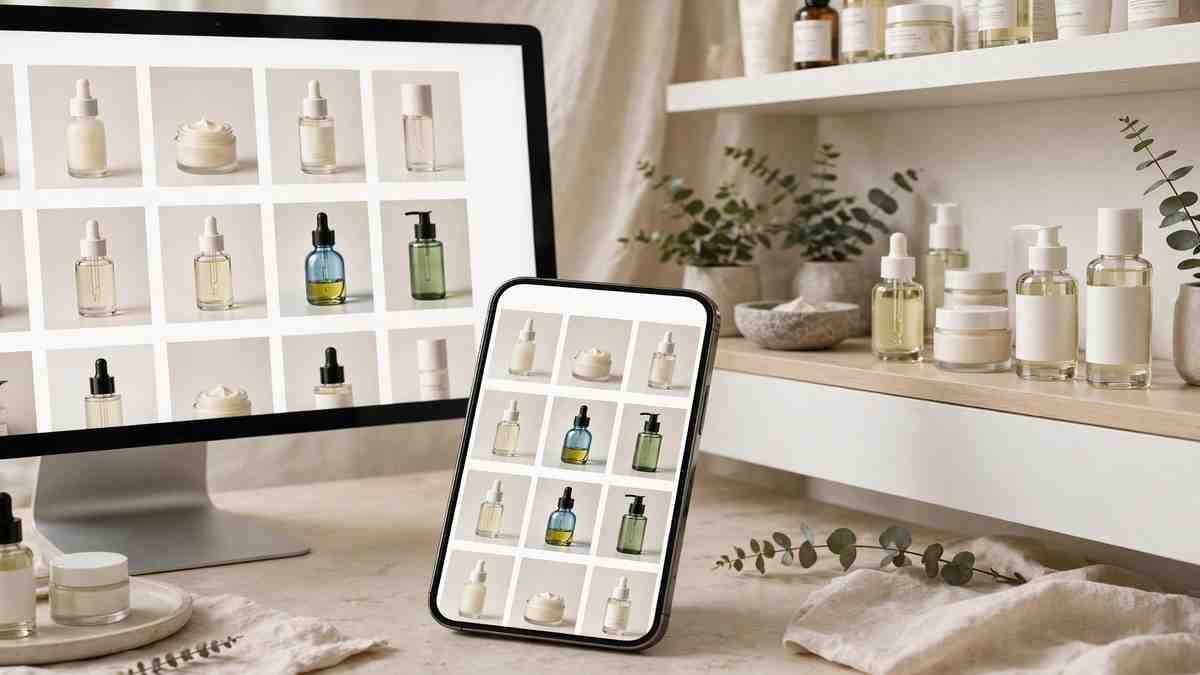
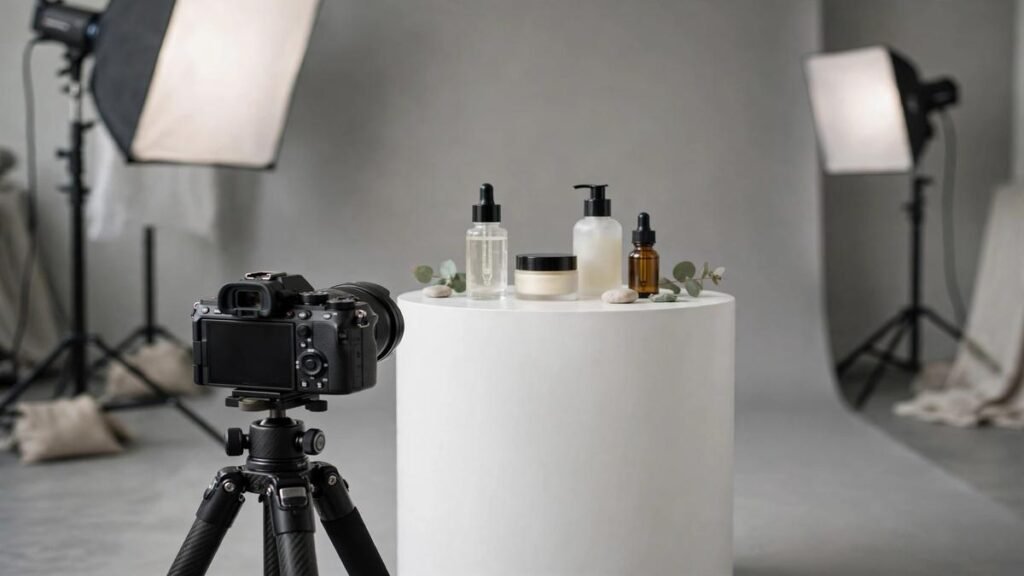
Suppose a skincare brand needs eight finished product images for a 12-month launch. The creative fee is $1,200 and production costs are $650. The figures below are illustrative. Each option covers the same images and campaign term.
Option 1 — Website and organic social
The license covers the brand’s website and its own organic social accounts. The usage fee is $450, bringing the quote to $2,300. Include a clear payment due date in the quote so you have an agreed deadline to reference if you need to handle late payments from photography clients.
Option 2 — Add paid social advertising
The brand can also use the images in paid social ads for the agreed campaign territory. The usage fee increases by $650 to $1,100, bringing the quote to $2,950.
Option 3 — Add retailer product listings
The brand keeps the previous rights, and two named retail partners can use the images on their product detail pages. The additional permission costs $400, bringing the usage fee to $1,500 and the total to $3,350. Retailer advertising can be quoted separately if requested.
Put the License and Renewal Terms in Writing
Here’s a usage line you can adapt for the first option:
Usage fee — $450 for nonexclusive use of eight final images by [Brand] on its website and organic social accounts for 12 months from [start date], for campaigns targeting [territory]. Paid promotion, retailer use, and extensions require written approval and a separate fee.
Keep the approved quote and set a reminder before the license expires. If the client wants another year, confirm which images and placements they still need. You can offer a renewal for the same scope or issue a revised quote if the next campaign adds channels, images, or partners.
Frequently Asked Questions
1. Is there a standard formula for how to price commercial photography usage rights?
Start with a comparable license and adjust for image count, channels, campaign reach, territory, duration, and exclusivity. A flat percentage of the shoot fee can miss a major difference in scope, especially when a simple shoot supplies images for a large campaign.
2. Does boosting an organic post require a new license?
If the current license covers organic posts only, treat the boost as paid promotion. Ask how long the boost will run and which audience it will target, then quote written permission for that placement.
3. What if a client asks for all digital rights?
Ask them to name the channels and accounts they need. A quote can cover the brand’s website and email campaigns, with separate options for paid ads, retailer listings, and partner use.
The Quote I’d Send
When I decide how to price commercial photography usage rights, I want the client to see what the fee buys at a glance. I’d quote the placements they’ve confirmed, offer separately priced options for the ones they’re considering, and give the license a clear end date. That way, when the campaign grows, we already have a starting point for the next quote.